
Akkermansia: Gut Bacteria Boosting Health
Health, Gut Bacteria, Metabolic Health, Probiotic Therapy
Akkermansia muciniphila: The Breakthrough Gut Bacteria Transforming Metabolic and Immune Health
If you’ve been hearing whispers about a “next‑generation probiotic” that could support weight management, blood sugar balance, and even immune resilience, there’s a good chance people are talking about Akkermansia muciniphila. This tiny gut bacteria has become a big star in microbiome research, and for good reason—it sits right at the crossroads of metabolic health, gut barrier integrity, and inflammation.
Meet Akkermansia muciniphila: The Mucus-Loving Gut Bacteria
Let’s start with the basics. Akkermansia muciniphila (usually just called Akkermansia) is a species of gut bacteria that lives right up against the lining of your intestines. Unlike many other microbes that prefer fiber or carbohydrates from your food, Akkermansia feeds on mucin—the slippery mucus layer that coats your gut wall and helps protect it from the outside world.
At first glance, a mucus-eating microbe might sound like a bad thing. But here’s the twist: by gently nibbling on mucin, Akkermansia actually stimulates your body to produce more fresh mucus. Think of it like pruning a plant so it grows back stronger. This remodeling of the mucus layer is one of the key reasons scientists are so excited about its role in protecting the gut barrier and supporting metabolic health.
💡 Quick fact: In healthy adults, Akkermansia muciniphila can make up 1–4% of all gut bacteria. Lower levels are often linked with obesity, insulin resistance, and inflammation.
How Gut Bacteria Shape Your Metabolic Health
To understand why Akkermansia matters so much, it helps to zoom out and look at the bigger picture of your microbiome. Your digestive tract is home to trillions of gut bacteria that help you break down food, produce vitamins, train your immune system, and even influence your mood and energy levels. When this inner ecosystem is balanced, your body tends to function more smoothly. When it’s disrupted, problems like weight gain, blood sugar swings, and chronic inflammation can creep in.
Some bacteria harvest more calories from the same amount of food, nudging you toward weight gain.
Others produce short-chain fatty acids (SCFAs) that support insulin sensitivity and appetite regulation.
Certain strains help maintain the gut barrier, reducing the risk of “leaky gut” and systemic inflammation.
Akkermansia muciniphila sits right in the middle of these processes. It’s strongly associated with a healthier metabolic profile—things like lower body fat, better blood sugar control, and more flexible cholesterol and triglyceride levels. People with higher Akkermansia levels tend to have better metabolic health markers, even when you account for diet and lifestyle differences.

Balanced gut bacteria like Akkermansia are closely tied to healthier metabolic markers.
Akkermansia and Blood Sugar, Weight, and Cholesterol
One of the most exciting areas of Akkermansia research is its impact on metabolic health—especially in people dealing with insulin resistance, prediabetes, or weight challenges. While we still need more large human trials, early studies are promising and give us a peek at what this microbe might be doing behind the scenes.
Blood sugar and insulin sensitivity: Higher Akkermansia levels have been linked with better fasting glucose and improved insulin sensitivity. In some small human trials using pasteurized Akkermansia as a supplement, participants showed improvements in insulin resistance and markers of liver health.
Body weight and fat: In animal models, adding Akkermansia often leads to less weight gain, smaller fat cells, and reduced inflammation, even on a high-fat diet. Human data is still emerging, but low Akkermansia is frequently seen in people with obesity and metabolic syndrome.
Cholesterol and triglycerides: Some research suggests Akkermansia may help fine-tune lipid metabolism, nudging cholesterol and triglycerides in a healthier direction, likely through its effects on gut barrier function and inflammation.
📌 Key takeaway: Akkermansia muciniphila isn’t a magic weight-loss pill, but it appears to be one of the microbiome “markers” of a metabolically flexible, resilient body.
Guarding the Gate: Akkermansia, Leaky Gut, and the Gut Barrier
You’ve probably heard the term leaky gut tossed around, but what does it really mean? In simple terms, your gut lining is supposed to act like a smart filter—allowing nutrients to pass through while keeping toxins, pathogens, and undigested food particles out of your bloodstream. When that barrier is compromised, more unwanted molecules slip through, triggering immune reactions and inflammation throughout the body. That’s what people mean when they talk about leaky gut.
Akkermansia muciniphila helps protect this barrier in several ways:
Strengthening the mucus layer: By gently consuming mucin, Akkermansia encourages the gut to constantly renew and thicken this protective coating, making it harder for harmful substances to reach the intestinal wall.
Supporting tight junctions: Some studies show that Akkermansia may upregulate genes involved in tight junctions—the protein “zippers” that keep gut cells snugly together, reducing permeability.
Producing beneficial metabolites: As it interacts with mucin and other microbes, Akkermansia helps generate short-chain fatty acids like acetate and propionate, which nourish gut cells and calm inflammation.
For many people, the goal is to support the gut barrier and address leaky gut naturally. Because of its unique role at the mucus layer, Akkermansia is becoming a central focus in strategies aimed at restoring barrier integrity and reducing whole-body inflammation that can affect joints, brain, skin, and more.
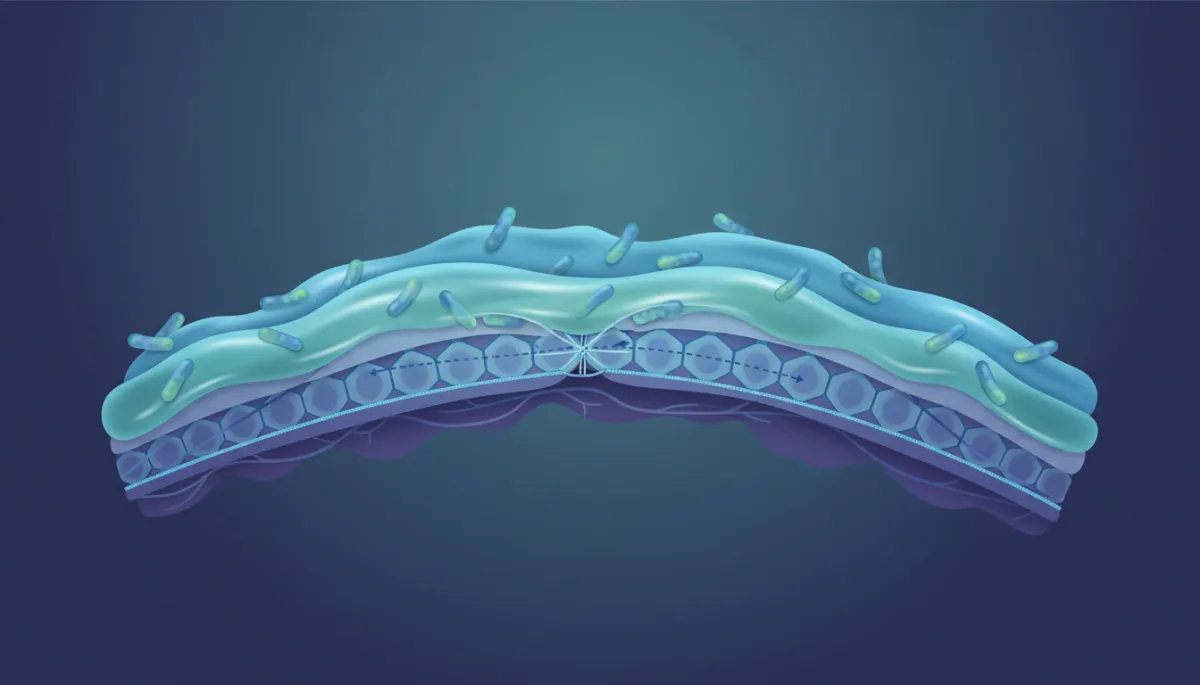
A healthy mucus layer and tight junctions help prevent leaky gut and chronic inflammation.
Immune Resilience: How Akkermansia Talks to Your Immune System
Your gut isn’t just a digestion tube—it’s also the largest immune organ in your body. A big portion of your immune cells sit right under the gut lining, constantly “listening” to signals from food and microbes. Akkermansia muciniphila is one of the bacteria that seems to send particularly helpful messages, contributing to what many researchers call immune resilience.
Calming chronic inflammation: By supporting the integrity of the gut barrier and the mucus layer, Akkermansia reduces the constant drip of inflammatory triggers entering the bloodstream. Less “background noise” means the immune system can respond more appropriately when it really matters.
Fine-tuning immune responses: Early studies suggest Akkermansia can influence the balance between pro-inflammatory and anti-inflammatory immune cells, nudging the body away from overreaction and autoimmunity and toward a more balanced state.
Supporting response to therapies: In some cancer immunotherapy studies, people with more Akkermansia in their gut responded better to treatment, hinting that this microbe might prime the immune system to be more effective when it counts.
💡 Think of immune resilience as your body’s ability to bounce back from stressors—viruses, injuries, even emotional stress—without getting stuck in chronic inflammation. Akkermansia appears to be one of the quiet helpers behind that resilience.
Is Akkermansia a Probiotic? Understanding Next-Generation Probiotic Therapy
When most of us think about probiotics, we picture familiar names like Lactobacillus or Bifidobacterium found in yogurt or supplements. Akkermansia muciniphila is part of a new wave of “next-generation” microbes being studied for targeted probiotic therapy. These aren’t your everyday yogurt strains—they’re species that have been identified through deep microbiome research as key players in health and disease.
At the moment, Akkermansia isn’t widely available as a standard over-the-counter probiotic in many countries, although specialized products are starting to appear in some regions. Researchers are exploring different ways to use it:
Live Akkermansia: Delivering the live bacteria itself as a probiotic, which is technically challenging because it prefers low-oxygen conditions and a very specific environment.
Pasteurized Akkermansia: Interestingly, some studies show that heat-killed (pasteurized) Akkermansia can still deliver metabolic benefits, likely because its cell wall components interact with immune and gut cells in helpful ways.
Postbiotics and metabolites: Instead of the bacteria itself, future supplements may focus on specific compounds produced by Akkermansia that strengthen the gut barrier or modulate immunity.
As probiotic therapy becomes more personalized, it’s likely we’ll see Akkermansia-based products used alongside dietary and lifestyle changes to support conditions like metabolic syndrome, fatty liver, and possibly autoimmune issues. For now, though, there’s a lot you can do to support your own Akkermansia levels without a prescription bottle.
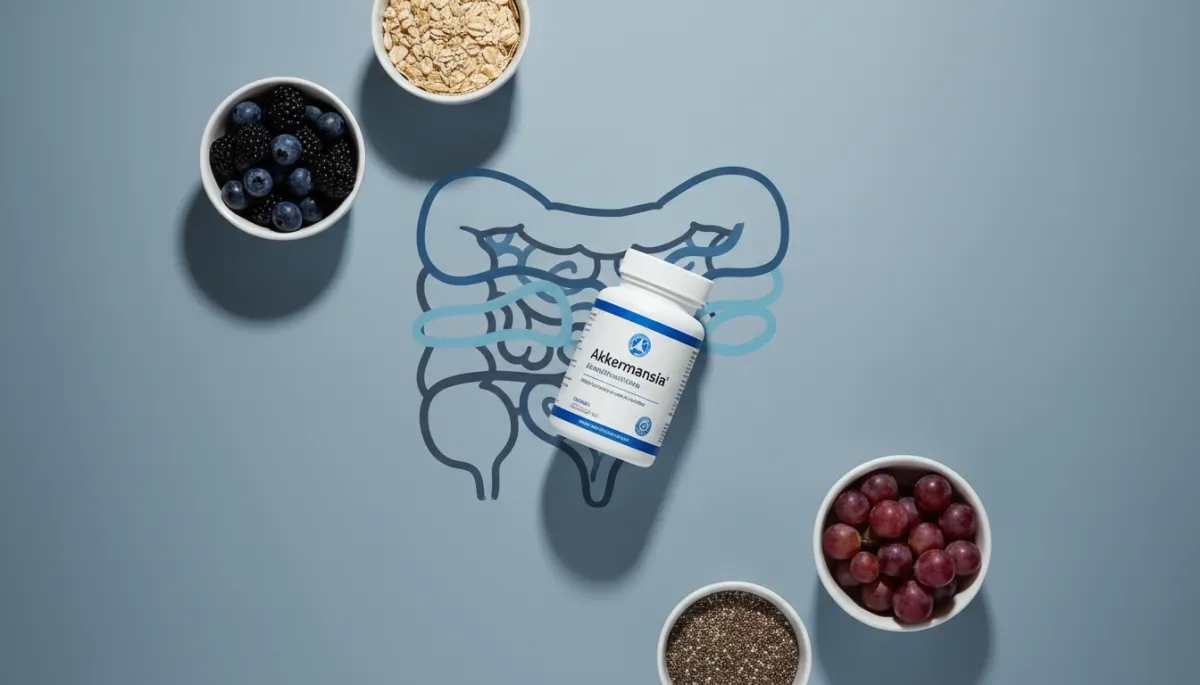
Next-generation probiotic therapy may combine Akkermansia with diet and lifestyle shifts.
How to Support Akkermansia Muciniphila Naturally
You don’t need a lab or a fancy supplement to start nurturing this powerful gut ally. Akkermansia muciniphila responds to everyday choices—what you eat, how you move, and even how you manage stress. Here are some research-backed ways to encourage a healthy population of this gut bacteria and support metabolic health and immune resilience at the same time.
1. Embrace Polyphenol-Rich Foods
Polyphenols are natural plant compounds found in colorful fruits, vegetables, teas, and spices. Several studies have shown that polyphenol-rich foods can increase Akkermansia levels. They also tend to support other beneficial gut bacteria and reduce oxidative stress—win-win.
Berries (blueberries, raspberries, blackberries)
Pomegranate and cranberries
Green tea and oolong tea
Dark chocolate (in moderation) and cocoa
Friendly tip: Try starting your day with green tea and adding a handful of berries to your breakfast. These small habits can gently nudge your microbiome in a more Akkermansia-friendly direction.
2. Feed Your Gut with Diverse Fibers
While Akkermansia itself focuses on mucin, it lives in a community with other microbes that love dietary fiber. When you eat a variety of fibers—from vegetables, fruits, whole grains, legumes, nuts, and seeds—you support a rich microbiome that, in turn, helps Akkermansia thrive and do its job at the mucus layer. Fiber also boosts short-chain fatty acids that strengthen the gut barrier and reduce inflammation, helping to address leaky gut naturally.
3. Don’t Fear Healthy Fats (in Balance)
Very high-fat, low-fiber diets can disrupt the microbiome, but healthy fats in the context of a plant-rich diet may actually support Akkermansia and metabolic health. Think extra-virgin olive oil, avocados, nuts, seeds, and fatty fish. These fats can reduce inflammation and help your body use energy more efficiently, which pairs nicely with the barrier-supporting role of Akkermansia.
4. Practice Gentle Intermittent Fasting (If Appropriate for You)
Some animal research suggests that time-restricted eating or intermittent fasting can increase Akkermansia levels and improve metabolic markers. The idea is that giving your gut a daily rest period allows the mucus layer to rebuild and shifts the microbiome toward species that thrive in this rhythm. If fasting is safe for you, something as simple as a 12–14 hour overnight fast (for example, finishing dinner by 7 p.m. and eating breakfast at 9 a.m.) may gently support this pattern.
5. Move Your Body Regularly
Exercise is one of the most powerful, underrated microbiome tools we have. Regular movement—whether it’s brisk walking, strength training, yoga, or dancing—has been linked with greater microbial diversity and better metabolic health. While the exact relationship with Akkermansia is still being explored, active people generally show a gut environment that favors beneficial species and stronger gut barrier function.
6. Manage Stress and Prioritize Sleep
Chronic stress and poor sleep can disturb the gut barrier, promote leaky gut, and shift your microbiome in an inflammatory direction. Practices like mindfulness, deep breathing, spending time in nature, and building a wind-down routine before bed can help reset your nervous system. A calmer brain often means a calmer gut, a more resilient immune system, and a more Akkermansia-friendly environment.
When Should You Consider Testing or Targeted Probiotic Therapy?
With all this buzz around Akkermansia muciniphila, you might be wondering whether you should get your levels tested or look for specific probiotic therapy that targets this microbe. While routine testing isn’t necessary for everyone, it might be worth discussing with a healthcare provider if you’re dealing with:
Persistent blood sugar issues, insulin resistance, or metabolic syndrome
Non-alcoholic fatty liver disease (NAFLD) or elevated liver enzymes
Unexplained weight gain or difficulty losing weight despite lifestyle changes
Signs of chronic inflammation, autoimmunity, or suspected leaky gut (such as joint pain, skin issues, brain fog)
Comprehensive stool tests can sometimes report Akkermansia levels as part of a broader microbiome snapshot. If your levels are very low, a practitioner might work with you on diet and lifestyle strategies, and—where available—consider specific Akkermansia-based products or other probiotics that indirectly support this species and the gut barrier as a whole.
Safety, Side Effects, and Realistic Expectations
Because Akkermansia muciniphila is a natural resident of the human gut, it’s generally considered safe, and low levels are more of a concern than high ones. That said, we’re still in the early days of using it directly as a probiotic therapy, so long-term safety data in supplement form is limited. In clinical trials so far, pasteurized Akkermansia has been well-tolerated, with minimal side effects reported.
It’s also important to keep your expectations grounded:
Akkermansia is one piece of a very complex puzzle. Supporting it won’t magically fix every health issue, but it can be a powerful ally alongside nutrition, movement, sleep, and stress care.
Individual responses vary. Genetics, existing microbiome patterns, medications, and underlying conditions all influence how your body reacts.
If you have a serious medical condition, are pregnant, or are on immune-modulating medications, always talk with your healthcare provider before starting any new supplement—even “natural” ones.
Putting It All Together: A Day in an Akkermansia-Friendly Life
To make this practical, here’s what a simple, Akkermansia-supportive day might look like. You don’t have to follow this perfectly—use it as inspiration and adjust to your needs and preferences.
Morning: Start with a glass of water and a cup of green tea. Enjoy a breakfast of steel-cut oats topped with mixed berries, ground flaxseeds, and a drizzle of almond butter for fiber, polyphenols, and healthy fats that support gut bacteria and metabolic health.
Midday: Take a 10–15 minute walk outside to get your body moving and your nervous system reset. Lunch could be a large salad with leafy greens, colorful vegetables, chickpeas or lentils, olive oil, and a sprinkle of seeds.
Afternoon: Sip on unsweetened herbal tea or another cup of green tea. If you need a snack, reach for a small handful of nuts and a piece of fruit instead of ultra-processed options that can irritate the gut and promote leaky gut.
Evening: Enjoy a balanced dinner with a source of protein (like fish, tofu, or beans), plenty of non-starchy vegetables, and a side of whole grains or starchy vegetables. Aim to finish eating at least 3 hours before bed to allow a gentle overnight fast that can support your microbiome rhythm.
Night: Wind down with calming activities—reading, stretching, or a warm bath. Prioritize 7–9 hours of sleep to give your gut and immune system time to repair and restore immune resilience.
The Future of Gut Bacteria, Metabolic Health, and You
Science is still unfolding the full story of Akkermansia muciniphila, but the message so far is clear: nurturing the right gut bacteria can have a powerful impact on your metabolic health, gut barrier, and immune system. Akkermansia stands out as a kind of “guardian” at the gut wall—helping to prevent leaky gut, calm chronic inflammation, and keep your metabolism more flexible and resilient.
As next-generation probiotic therapy evolves, we’ll likely see Akkermansia-based options become more accessible and better studied. But you don’t have to wait for the perfect supplement to start supporting this remarkable microbe. Every time you choose a colorful, fiber-rich meal, take a walk, get a good night’s sleep, or manage stress in a kinder way, you’re sending a signal to your microbiome—and Akkermansia is listening.
If you’re curious about your own levels or considering targeted support, partner with a knowledgeable healthcare practitioner who understands both microbiome science and your personal health story. Together, you can explore whether focusing on Akkermansia muciniphila and your gut barrier might be a helpful part of your plan to build lasting immune resilience and metabolic well-being.
Most importantly, remember that your relationship with your gut is long-term. Small, consistent steps—rather than perfection—are what help beneficial microbes like Akkermansia flourish. With a bit of curiosity and care, you can turn your gut into a powerful ally in your health journey.
