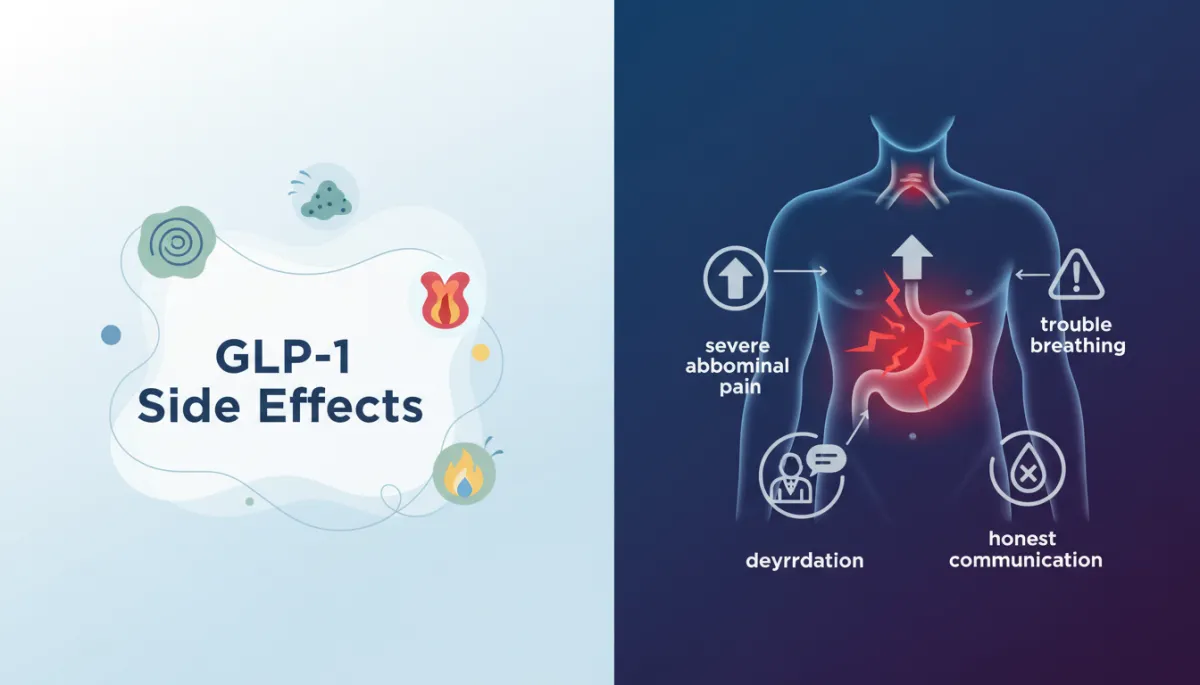
GLP-1 Side Effects: What to Know and Report
Health & Wellness, GLP-1 Side Effects
GLP-1 Side Effects: What Is Common, What to Report, and When to Call
If you’re starting a GLP-1 medication for weight management or diabetes, you’re probably hearing a lot about side effects. As a senior software engineer who lives on data, logs, and edge cases—and as someone who cares deeply about health—I want to walk you through GLP-1 Side Effects in a friendly, practical way so you know what’s normal, what to watch, and exactly when to call your doctor.
A Quick Disclaimer Before We Dive In
This article is for educational purposes only. It is not medical advice and is not a substitute for professional evaluation, diagnosis, or treatment. Always talk with your own clinician before making decisions about starting, stopping, or changing medications. If something feels wrong or scary, treat it like a production incident: escalate early and call a professional.
GLP-1 Medications in Plain English
GLP-1 receptor agonists are a class of medications originally designed for type 2 diabetes and now widely used for weight management. You might recognize names like Ozempic and Wegovy (semaglutide), or tirzepatide (for example, Mounjaro or Zepbound). They mimic a natural hormone that helps regulate blood sugar and appetite. In practice, they:
Slow how quickly food leaves your stomach
Help you feel full sooner and stay full longer
Support better blood sugar control and often weight loss
The flip side: because they change how your gut works, GLP-1 Side Effects are often digestive. Think of it like refactoring a large legacy system—there’s a lot of benefit, but the first few deployments can be bumpy.
Common GLP-1 Side Effects: What Many People Feel
Most people on GLP-1 medications experience at least some digestive changes, especially during the first weeks or dose increases. Common Semaglutide Symptoms (and similar effects with other GLP-1s) include:
Nausea (often called “Ozempic Nausea” online)
Vomiting, especially if you eat too fast or too much
Diarrhea or looser stools than usual
Constipation (often talked about as “Wegovy Constipation”)
Burping, belching, or increased gas
Heartburn or reflux-like symptoms
Stomach discomfort or cramping, including Tirzepatide Stomach Pain in some users
Reduced appetite or just not being interested in food
Feeling full quickly, sometimes after only a few bites
Clinical data from organizations like the American Diabetes Association and Mayo Clinic confirm that these are the most frequent GLP-1 Side Effects, especially early on. Nausea and diarrhea are often strongest in the first 4–8 weeks, while constipation can show up a bit later and sometimes last longer if not managed.
💡 Friendly reminder: Common does not mean “you have to suffer in silence.” Even expected side effects deserve attention, especially if they interfere with your life.
Ozempic Nausea: Why It Happens and What Usually Helps
Let’s zoom in on Ozempic Nausea, because it’s one of the most talked-about Semaglutide Symptoms. Studies and prescribing information show nausea in roughly 15–20% of people on lower-dose Ozempic, and up to 40–45% on higher-dose semaglutide for weight loss. It usually:
Peaks in the first 4–8 weeks or when your dose increases
Often improves by weeks 6–12 as your body adapts
Mechanically, Ozempic slows how fast your stomach empties. Food hangs around longer, which is great for appetite control but can make you feel overly full or queasy. Think of it like a message queue that’s suddenly processing more slowly—backups happen until the system rebalances.
Gentle Strategies for Nausea You Can Try
Eat small, frequent meals instead of big ones.
Choose bland, low-fat foods like toast, crackers, rice, or broth-based soups.
Sip water or electrolyte drinks slowly throughout the day—don’t chug large amounts at once.
Stay upright after eating for at least 30 minutes; avoid lying down immediately after meals.
Talk with your clinician about slower dose increases or temporary anti-nausea medication if needed.
💡 Compassionate tip: If nausea feels overwhelming or is limiting what you can eat or drink, that’s a valid reason to reach out to your care team at Allura Health & Wellness or your local clinician. You deserve to feel supported, not pressured to “push through.”
Wegovy Constipation: Why It’s So Common and What You Can Do
On the other end of the spectrum, many people experience Wegovy Constipation. In large trials, about 24% of adults on Wegovy reported constipation, and real-world reports still show around 15%. It often:
Appears during dose escalation (weeks 4–12)
Can last longer than nausea if not actively managed
Why? GLP-1s slow your entire digestive tract, not just your stomach. Add in a smaller appetite (so, less food and often less fiber) and sometimes less fluid intake, and your “throughput” drops. The result: slower, harder, or less frequent bowel movements.
Practical Ways to Ease Wegovy Constipation
Hydrate generously: Aim for about 2 liters of water daily, unless your clinician says otherwise.
Add fiber gradually: oats, chia seeds, beans, fruits, and vegetables can help—go slow to avoid extra gas.
Build in light daily movement: even a 20–30 minute walk can stimulate gut motility.
Consider stool softeners or gentle laxatives—but only after talking with your clinician. Magnesium or osmotic agents like MiraLAX are sometimes used under guidance.
⚠️ Important: Do not start aggressive laxatives, “detox teas,” or colon cleanses on your own. These quick fixes can cause dehydration, electrolyte imbalances, and make things worse. Always coordinate with your healthcare team.
Tirzepatide Stomach Pain and Other Digestive Discomforts
With tirzepatide (and similar medications), people sometimes describe Tirzepatide Stomach Pain—a mix of cramping, bloating, or general discomfort. This can overlap with:
Heartburn or burning in the chest or upper abdomen
Burping or a sour taste in the mouth
Cramps that come and go, especially after eating too much or too fast
Mild, short-lived stomach discomfort can be a normal part of your body adjusting. But there is a line where “normal” becomes “this needs a medical review,” which we’ll cover in the When To Call Doctor section below.
Simple Ways to Track How You’re Feeling
You don’t need to be technical to keep an eye on your GLP-1 Side Effects. A simple symptom log can make your visits with your clinician at Allura Health & Wellness—or your local provider—much more productive and reassuring.
You can use a notes app, a paper journal, or a simple tracker. Try writing down:
What you feel (for example: nausea, constipation, heartburn, stomach pain)
When it started and how long it lasts
How strong it feels for you (for example: mild, moderate, or severe)
What seems to trigger it (certain foods, eating too fast, not drinking enough water)
What helps (rest, smaller meals, more fluids, medication your clinician recommended)
Even a few short notes like “mild nausea after dinner, better after sipping water” can turn a vague “I just feel off” into clear, useful information. That clarity helps your care team adjust your dose, timing, or support plan so you feel safer and more comfortable.
When to Report Side Effects That Interfere With Daily Life
Not every side effect is an emergency, but many deserve a conversation. A good rule of thumb: if a symptom is breaking your “normal workflow” for more than a couple of days, report it. This includes:
Nausea that makes it hard to eat enough to stay hydrated and nourished
Vomiting more than once or twice, even if it stops on its own
Diarrhea that lasts more than a day or two, or wakes you from sleep
Constipation lasting more than 3 days, or causing significant discomfort, bloating, or pain
Heartburn or burping that interferes with sleep or daily activities
💬 Why this matters: Your clinician can often help by adjusting your dose, slowing titration, suggesting supportive medications, or checking for other causes. You do not get “extra points” for suffering silently.
When To Call Doctor: Red-Flag Symptoms You Should Never Ignore
Now for the most important section: When To Call Doctor urgently. GLP-1 medications are generally safe and well-studied, but like any powerful tool, they carry rare but serious risks. Call your doctor, an urgent care line, or emergency services right away if you notice:
Severe Abdominal or Stomach Pain
Severe abdominal pain that won’t go away, especially if it:
Radiates to your back or shoulder
Is associated with fever, vomiting, or a very tender belly
This could signal pancreatitis or gallbladder issues, which require prompt evaluation.
Persistent Vomiting or Severe Diarrhea
Vomiting that continues for more than 24 hours or keeps you from keeping down fluids
Diarrhea that is very frequent, watery, or associated with dizziness or weakness
These can quickly lead to dehydration and affect your kidneys and overall health. Don’t wait it out alone.
Signs of Dehydration or Kidney Problems
Very dark urine or decreased urination (peeing much less than usual)
Feeling lightheaded, faint, or extremely weak
Allergic Reactions or Breathing/Swallowing Issues
Trouble breathing or swallowing
Swelling of the face, lips, tongue, or throat
Sudden widespread hives or intense itching
These could be signs of a serious allergic reaction. This is a call 911 or local emergency number situation, not a “wait and see” moment.
Vision Changes or Neck Symptoms
New or worsening vision changes (blurry vision, double vision, sudden vision loss)
Unexplained lump, swelling, or pain in the neck, or difficulty swallowing that feels different from reflux
While rare, some GLP-1 medications carry warnings about thyroid tumors in certain animal studies and can affect vision in people with diabetes. Any new neck or vision changes deserve prompt evaluation.

Honest, early conversations with your clinician make GLP-1 treatment safer and more effective.
Honest Communication With Your Clinician: No Debugging Alone
One of the core values at Allura Health & Wellness is compassionate, transparent care. That means we want you to be completely honest about what you’re feeling—physically and emotionally—while on GLP-1 medications. You are not “complaining.” You are providing data we need to keep you safe and comfortable.
Tell your clinician about all GLP-1 Side Effects, even if they seem small or embarrassing (like burping or constipation).
Share any over-the-counter remedies or supplements you’re using so they can check for interactions or risks.
Be open about mental health changes too—mood shifts, anxiety, or body-image concerns deserve care just as much as physical symptoms.
💡 Think of your clinician as your senior architect, not a code reviewer you’re trying to impress. They’re there to help you design a sustainable, healthy system—not to judge your “uptime” or toughness.
Why You Should Avoid Self-Treatment and DIY Fixes
In tech, we love to Google, tinker, and patch things ourselves. But with your body, “DIY fixes” can cause more harm than good. Here’s why avoiding self-treatment is so important with GLP-1 medications:
Aggressive laxatives can swing you from constipation to severe diarrhea and dehydration, stressing your kidneys and heart.
“Detox” teas, cleanses, or unregulated supplements may interact with your medication or cause dangerous electrolyte shifts.
Stopping and restarting GLP-1s on your own can confuse your body and make side effects worse when you re-start.
Always run new strategies by your clinician, whether that’s at Allura Health & Wellness or your local provider. A quick message or visit can save you days or weeks of unnecessary discomfort—and prevent serious complications.
Integrative Support: How Allura Health & Wellness Can Help
At Allura Health & Wellness in Miami, our integrative approach means we don’t just hand you a prescription and hope for the best. We look at the whole picture—nutrition, movement, stress, sleep, and your unique medical history—to help you navigate GLP-1 Side Effects with as much comfort and safety as possible.
We can help you design gentle meal strategies that respect your reduced appetite while still nourishing you well.
Our team may suggest hydration and vitamin support (like IV therapies or injectables when appropriate) to support energy and recovery.
We coordinate with you on movement plans that feel realistic for busy professionals and families, not just ideal on paper.
Our goal is simple: help you look, feel, and live better—without sacrificing safety or comfort for quick fixes. If you’re exploring GLP-1 therapy as part of a broader wellness plan, you can learn more at shop.AlluraHW.com.
Bringing It All Together: You Deserve Safe, Supported Change
GLP-1 medications like semaglutide and tirzepatide can be powerful tools for managing blood sugar and supporting weight loss. Alongside those benefits, GLP-1 Side Effects—from Ozempic Nausea and Wegovy Constipation to Tirzepatide Stomach Pain and other Semaglutide Symptoms—are common and very real. You’re not weak or failing if you feel them; you’re human, and your body is adapting to a major change.
The big takeaways:
Mild digestive effects (nausea, vomiting, diarrhea, constipation, burping, heartburn, stomach discomfort, reduced appetite, feeling full quickly) are common—but still worth discussing.
Report side effects that interfere with your daily life instead of trying to power through alone.
Treat severe abdominal pain, persistent vomiting, dehydration, allergic reactions, trouble breathing or swallowing, swelling, vision changes, decreased urination, or new neck symptoms as urgent warning signs—call your doctor or emergency services right away.
Practice honest, ongoing communication with your clinicians and avoid self-treatment with unapproved supplements, laxatives, or “hacks.”
If you’re curious about how GLP-1 medications might fit into a holistic wellness strategy—with support for nutrition, aesthetics, performance, and longevity—our team at Allura Health & Wellness is here to help guide you. Take the first step toward a healthier, more radiant you—book your consultation today or explore our offerings at shop.AlluraHW.com.
References and Further Reading
American Diabetes Association. GLP-1 receptor agonists for type 2 diabetes and weight management. https://www.diabetes.org/diabetes/medication-management/oral-medications/glp-1-receptor-agonists
Mayo Clinic. Semaglutide (oral route) side effects. https://www.mayoclinic.org/drugs-supplements/semaglutide-oral-route/side-effects/drg-20478856
Drugwatch. Ozempic side effects. https://www.drugwatch.com/drugs/ozempic/side-effects/
Healthline. Ozempic side effects and what to do about them. https://www.healthline.com/health/drugs/ozempic-side-effects
Drugs.com. Wegovy side effects. https://www.drugs.com/sfx/wegovy-side-effects.html
Healthline. Semaglutide and constipation: what to know. https://www.healthline.com/health/drugs/semaglutide-constipation
National Center for Biotechnology Information (NCBI). GLP-1 agonists: mechanism of action and side effects. https://www.ncbi.nlm.nih.gov/pmc/articles/PMC7891234/
