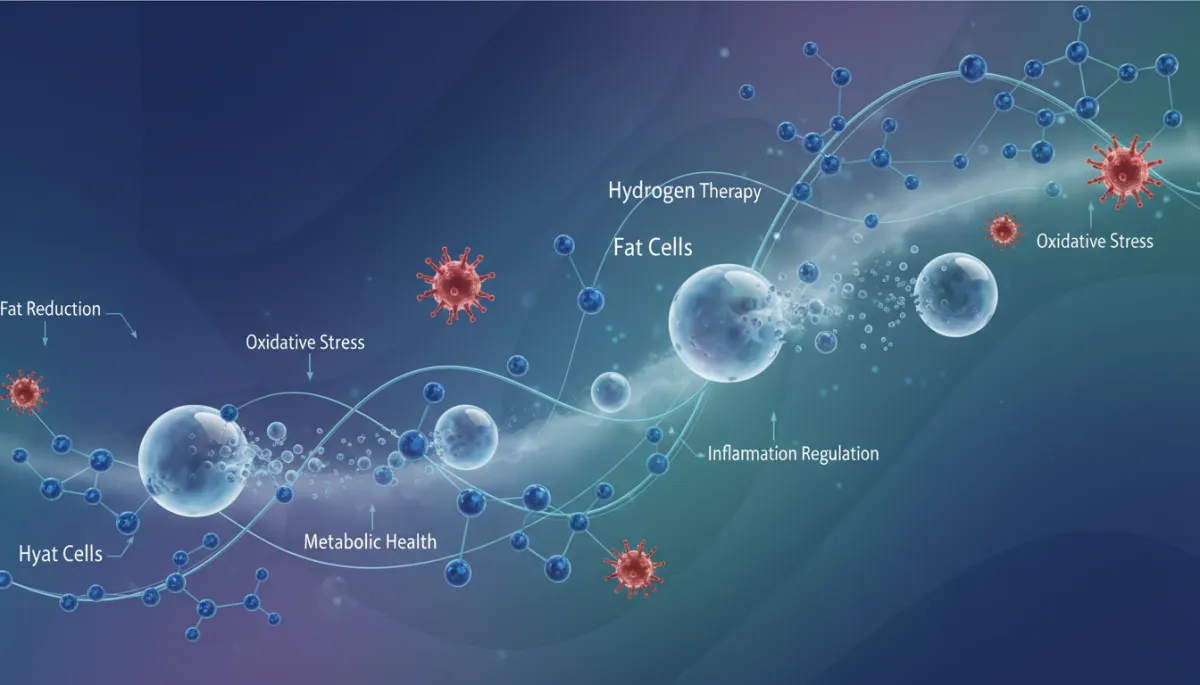
Hydrogen Gas: Reduce Fat & Oxidative Stress
Hydrogen Therapy, Fat Reduction, Oxidative Stress, Metabolic Health
Can Hydrogen Gas Help Reduce Fat Cells and Oxidative Stress in the Body? A New Study Suggests Yes
If you’re looking for gentler, science-backed ways to support fat reduction, calm inflammation, and protect your cells from daily stress, hydrogen gas may sound almost too simple to matter. After all, it’s the lightest element in the universe. But emerging research suggests that this tiny molecule may play a surprisingly powerful role in supporting metabolic health, regulating oxidative stress, and even influencing fat cells themselves. At Allura Health & Wellness in Miami, we’re watching this research closely because it aligns with our integrative, whole-body approach to wellness and longevity.
A Quick Look at the New Hydrogen and Fat-Burning Study
Let’s start with the study that’s sparking so much interest. In early 2026, a randomized, double-blind, placebo-controlled crossover trial from Japan examined what happens when healthy women inhale molecular hydrogen gas for 60 minutes at rest. The researchers noticed a meaningful shift in how their bodies were using fuel: the women showed a lower respiratory exchange ratio (RER), which is a fancy way of saying their bodies were relying more on fat and less on carbohydrates for energy during that hour of hydrogen inhalation (research.h2health.or.jp).
Even more interesting, this shift toward fat oxidation was strongest in women with higher body fat percentages. That doesn’t mean hydrogen Therapy is a magic weight-loss solution, but it does suggest that hydrogen gas can nudge the body toward burning more fat—at least in the short term. It’s an exciting clue for anyone curious about natural tools to support fat reduction and metabolic balance, especially when combined with healthy nutrition and movement.
💡 Gentle reminder: Early studies like this tell us about short-term metabolic shifts, not overnight weight loss. At Allura Health & Wellness, we see hydrogen Therapy as a supportive tool, not a standalone solution.
What Exactly Is Hydrogen Therapy?
Hydrogen Therapy typically refers to using molecular hydrogen (H2)—the same gas that makes up much of the universe—to support health. In clinical and wellness settings, this can be delivered in a few main ways:
Hydrogen inhalation: Breathing a low concentration of hydrogen gas mixed with air via a nasal cannula or mask under controlled conditions.
Hydrogen-rich water (HRW): Drinking water that has been infused with dissolved hydrogen gas, often using specialized devices or tablets.
Other medical formats: In research settings, hydrogen-saline injections or hydrogen-releasing gels are being explored for more targeted applications.
What makes hydrogen unique is its size and neutrality. Because it’s so small, it can diffuse rapidly through membranes and tissues, reaching areas that larger antioxidants and nutrients sometimes can’t. Research over the past decade has shown that hydrogen may help regulate oxidative stress, inflammation, and mitochondrial function in ways that are subtle yet meaningful (Frontiers in Medicine, 2026).
Hydrogen, Oxidative Stress, and Why Your Cells Feel “Tired”
Oxidative stress happens when there’s an imbalance between reactive oxygen species (ROS)—highly reactive molecules produced during normal metabolism, stress, pollution exposure, and more—and the body’s antioxidant defenses. Over time, excess oxidative stress can damage lipids, proteins, and even DNA, contributing to aging, chronic inflammation, and metabolic disorders like insulin resistance and fatty liver disease.
Molecular hydrogen appears to act as a selective antioxidant. Instead of wiping out all ROS (which we don’t want, because some are important for signaling), H2 seems to preferentially target the most damaging species, such as hydroxyl radicals and peroxynitrite (Frontiers in Medicine, 2026). Studies in animals and early human trials suggest that hydrogen Therapy can lower markers of oxidative damage, improve mitochondrial resilience, and even support tissues under inflammatory or ischemic stress, from the brain to the lungs to the gut.

By gently modulating oxidative stress, hydrogen may help cells function with more ease and resilience.
How Could Hydrogen Therapy Influence Fat Cells and Adipocyte Size?
When we talk about “fat,” we’re really talking about adipocytes—specialized cells that store energy, release hormones, and communicate with the rest of the body. It’s not just how many fat cells you have that matters; it’s also their size and behavior. Enlarged adipocytes tend to be more inflamed, more insulin-resistant, and more likely to release pro-inflammatory signals that affect the entire body. This is part of why excess visceral fat is linked with higher risks of diabetes, cardiovascular disease, and other metabolic issues.
While we don’t yet have large human trials showing that hydrogen Therapy directly shrinks adipocyte size, early research offers some intriguing clues:
In the 2026 inhalation study, hydrogen shifted metabolism toward increased fat oxidation during rest, especially in women with higher body fat. Over time, repeated sessions that encourage fat use could, in theory, help reduce stored fat and influence adipocyte size—though this still needs to be proven in long-term trials (research.h2health.or.jp).
Animal and cellular studies suggest that hydrogen can reduce oxidative stress and inflammation within tissues, including fat tissue, which may create a healthier environment for adipocytes and support better insulin signaling.
Think of it this way: when adipocytes are less stressed and less inflamed, they’re more likely to behave like “good neighbors” in your metabolic neighborhood. They respond better to insulin, release more balanced hormone signals, and may be less prone to unhealthy enlargement. Hydrogen’s role in this picture is still being mapped out, but its impact on oxidative stress and inflammation regulation makes it a promising ally for long-term metabolic health.
Inflammation Regulation: Why Calm Fat Tissue Matters
Chronic, low-grade inflammation is one of the hidden threads connecting obesity, insulin resistance, heart disease, and even mood disorders. Fat tissue is not just a passive storage site; it’s an active endocrine organ. When adipocytes are overloaded, they can release inflammatory cytokines that attract immune cells and perpetuate a cycle of inflammation and oxidative stress throughout the body.
Hydrogen Therapy appears to influence this inflammatory loop in several ways. Recent research has shown that molecular hydrogen can:
Downregulate inflammatory pathways such as the NLRP3 inflammasome, which plays a central role in many chronic inflammatory conditions, including intestinal inflammation and potentially metabolic disorders (International Immunopharmacology, 2026).
Reduce levels of inflammatory cytokines like IL-1β, IL-6, and TNF-α in conditions such as COPD and other age-related diseases (COPD review, 2026).
While these studies don’t specifically focus on fat tissue, the same inflammatory pathways are active in adipose tissue. If hydrogen can help quiet these signals, it may indirectly support healthier adipocyte size, improved insulin sensitivity, and a more balanced metabolic environment. For many of our clients at Allura Health & Wellness who are dealing with stubborn weight, fatigue, or inflammatory symptoms, this kind of gentle, systemic inflammation regulation is a key piece of the puzzle.
💬 At Allura, we never chase quick fixes. Instead, we look for therapies—like hydrogen—that can support the body’s own ability to heal, regulate, and rebalance over time.
Hydrogen and Metabolic Health: Beyond the Scale
Metabolic health is about so much more than a number on the scale. It includes blood sugar control, lipid balance, blood pressure, heart and vascular health, energy levels, and even how your nervous system responds to stress. Here’s where hydrogen Therapy is beginning to show broader potential:
A 3-month randomized trial using electrolyzed hydrogen water in people with metabolic syndrome found that, overall, changes were modest—but in participants who also engaged in high-intensity exercise, waist circumference decreased significantly more than in the control group (research.h2health.or.jp, 2026). This suggests hydrogen may amplify the benefits of lifestyle changes rather than replace them.
A pilot study found that hydrogen-rich water improved heart rate variability (HRV)—a marker of autonomic nervous system balance—at rest and during posture changes (Heliyon, 2026). Better HRV is often associated with improved stress resilience and cardiovascular health.
Another 2026 study reported that hydrogen-rich water helped slow atherosclerosis progression and improved plaque stability, likely by shifting the gut microbiome and increasing beneficial short-chain fatty acids like propionate (Life Sciences, 2026).
Together, these findings paint a picture of hydrogen as a quiet multitasker—supporting metabolic health through oxidative stress reduction, inflammation regulation, mitochondrial support, and even gut–heart communication. While we don’t yet have definitive evidence that hydrogen Therapy alone leads to major fat reduction, its influence on the systems that control adipocyte size, energy use, and inflammation is hard to ignore.

Hydrogen’s effects appear to touch multiple systems that shape long-term metabolic health.
What About Long-Term Fat Reduction? What We Know—and Don’t Yet Know
It’s important to be transparent: as of mid-2026, we do not have large, long-term human studies showing that hydrogen gas or hydrogen-rich water alone produces significant, sustained weight loss. One clinical trial in adolescents, for example, is currently investigating whether hydrogen-rich water can enhance fat mass reduction during a structured 4-week weight-loss retreat, but results are not yet published (NCT06961110).
So where does that leave us? Here’s a balanced way to think about it:
Short term: Hydrogen inhalation can acutely increase fat oxidation at rest, and hydrogen-rich water can influence markers of oxidative stress, inflammation, autonomic balance, and vascular health. These are meaningful shifts, especially when you’re actively working on lifestyle changes.
Long term: We’re still waiting on robust human data showing direct reductions in body fat, adipocyte size, or obesity-related outcomes over months or years. Early signals are promising, but they’re not definitive.
At Allura Health & Wellness, this is exactly the kind of nuance we honor. We won’t overpromise results, but we will thoughtfully integrate emerging therapies—like hydrogen Therapy—where research suggests they can safely support your body’s own healing and metabolic processes.
How Hydrogen Therapy Fits Into an Integrative Wellness Plan at Allura
Because every person’s body, history, and goals are unique, we never use a one-size-fits-all protocol. Instead, we look at hydrogen Therapy as one supportive piece in a larger, personalized plan to improve metabolic health, reduce oxidative stress, and encourage healthy fat reduction. Depending on your needs, a plan at Allura might include:
Medical evaluation and labs to assess inflammation markers, metabolic health, hormone balance, and oxidative stress indicators where appropriate.
Nutrition guidance tailored to stabilize blood sugar, support gut health, and encourage natural fat loss without extreme restriction or fad diets.
Movement and lifestyle coaching that fits realistically into your life, whether you’re a busy professional, a parent, or both.
Hydrogen Therapy sessions—such as inhalation or hydrogen-rich water—designed to complement your overall plan, not replace it. For some clients, this may mean regular sessions to support oxidative balance and recovery; for others, it may be a focused series during periods of higher stress or intensive training.
Complementary therapies like vitamin injections, IV nutrition, aesthetic treatments, or stress-reduction modalities to support how you look, feel, and function from the inside out.

Personalized care means hydrogen therapy is thoughtfully woven into a broader wellness strategy.
Is Hydrogen Therapy Right for You?
If you’re curious about hydrogen Therapy for fat reduction or metabolic support, it may be especially relevant if you:
Are working on sustainable weight loss and want to support fat oxidation and recovery in a gentle way.
Experience signs of oxidative stress or inflammation, such as fatigue, brain fog, or slow recovery from exercise (always to be evaluated medically).
Have metabolic risk factors—like elevated waist circumference, borderline blood sugar, or high triglycerides—and are seeking complementary, evidence-informed support alongside medical care.
During a consultation at Allura Health & Wellness, we’ll take time to understand your story, your lab results, and your goals. Together, we can decide whether hydrogen Therapy makes sense as part of your integrative plan, and if so, which delivery methods and schedule fit best with your lifestyle and medical picture.
⚠️ A note on safety: Hydrogen Therapy has shown a strong safety profile in clinical research so far, but it should always be used under appropriate guidance—especially if you have underlying medical conditions, take medications, or are pregnant or breastfeeding.
The Bottom Line: What This New Study Really Means for You
The 2026 study on hydrogen inhalation and fat oxidation offers encouraging news: in just 60 minutes, hydrogen gas helped healthy women—especially those with higher body fat—shift toward burning more fat at rest. When we connect this with a growing body of research on oxidative stress reduction, inflammation regulation, mitochondrial support, and metabolic health, hydrogen Therapy emerges as a promising, gentle tool to support the body’s own healing and balancing mechanisms.
At the same time, the science is still evolving. We don’t yet have definitive proof that hydrogen Therapy alone can dramatically shrink adipocyte size or produce lasting fat reduction. What we do have is a compelling rationale to include hydrogen as part of a thoughtful, integrative strategy—one that honors your body, your story, and your long-term health, not just quick fixes or crash diets.

Relaxed, noninvasive hydrogen sessions can complement nutrition, movement, and other integrative therapies.
Ready to Explore Hydrogen Therapy with a Trusted Integrative Team?
If you’re in Miami—or planning a visit—and you’re curious about whether hydrogen Therapy could support your fat reduction, oxidative stress balance, or overall metabolic health, we’re here to help. At Allura Health & Wellness, our team blends medical expertise with compassionate, holistic care to design plans that feel realistic, respectful, and truly personalized to you.
We’ll never promise overnight transformations. What we will promise is honesty, evidence-informed recommendations, and a partnership that keeps your long-term vitality, confidence, and well-being at the center of every decision. Whether hydrogen Therapy becomes a part of your plan or not, our goal is simple: to help you look, feel, and live better—from your cells to your skin, and from your metabolism to your mood.
Take the first step toward a healthier, more radiant you — book your consultation today at Allura Health & Wellness, and let’s explore together how integrative medicine, aesthetics, and advanced wellness therapies can support your journey.
