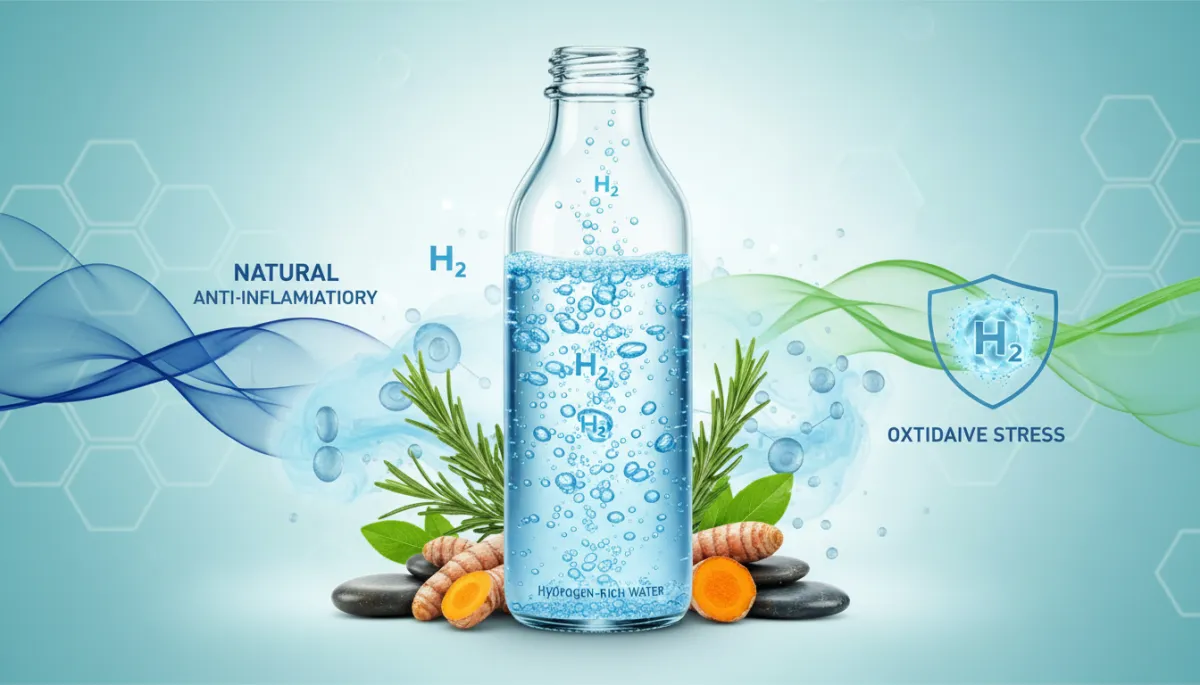
Hydrogen Therapy: Natural Anti-inflammatory Solution
Health, Hydrogen Therapy, Natural Anti-inflammatory
Hydrogen Therapy: A Natural Solution for Inflammation and Oxidative Damage
Curious how something as simple and natural as hydrogen gas might support your body’s defenses against inflammation and oxidative stress? Let’s explore how hydrogen therapy and hydrogen-rich water are becoming promising tools in modern chronic disease management.
What Is Hydrogen Therapy, Exactly?
Hydrogen therapy is the use of molecular hydrogen (often written as H2) to support health. This tiny, colorless, and odorless gas can be delivered in several ways: drinking hydrogen-rich water, inhaling hydrogen gas in a clinical setting, bathing in hydrogen-infused baths, or even using hydrogen-infused saline under medical supervision. Among these, hydrogen-rich water is the most common and accessible option for everyday use.
Unlike many supplements that introduce new substances into the body, hydrogen therapy uses a molecule your body already encounters. Hydrogen is produced naturally in your gut by certain bacteria as they break down fiber. The idea behind hydrogen therapy is to gently boost this natural exposure in a targeted way to help counter oxidative stress and inflammation, two major drivers behind many chronic health issues.
💡 Friendly Note: Hydrogen therapy is not a magic cure-all, but early research suggests it may be a helpful supportive tool alongside a healthy lifestyle and appropriate medical care.
Meet Molecular Hydrogen: Tiny Gas, Big Potential
To understand why hydrogen therapy is getting attention, it helps to know what makes molecular hydrogen special. H2 is the smallest molecule in the universe. Because it is so tiny and neutral in charge, it can easily slip through cell membranes and even cross the blood–brain barrier. That means it can potentially reach areas of the body that many other substances cannot access as efficiently.
Research suggests that molecular hydrogen may act as a selective antioxidant. Instead of blocking all free radicals (which your body actually needs in small amounts), hydrogen appears to target some of the most damaging ones, such as hydroxyl radicals, while leaving useful signaling molecules intact. This more “intelligent” approach is one reason scientists are so interested in hydrogen as a potential natural anti-inflammatory and antioxidant support.

-toned close-up of a person holding a transparent glass of hydrogen-rich water with tiny rising...
Hydrogen-rich water offers a simple, daily way to introduce molecular hydrogen into your routine.
Oxidative Stress: Why It Matters for Your Health
To appreciate how hydrogen therapy may help, let’s talk about oxidative stress. Every day, your body produces reactive oxygen species (ROS), often called “free radicals,” as part of normal metabolism. In small, controlled amounts, these molecules help with cellular communication and immune defense. Problems arise when the production of ROS outpaces your body’s ability to neutralize them with antioxidants. That imbalance is called oxidative stress.
Oxidative stress can damage lipids, proteins, and even DNA. Over time, this damage may contribute to aging and a wide range of health concerns, including cardiovascular problems, neurodegenerative conditions, metabolic disorders, and more. Many lifestyle factors—such as poor diet, smoking, pollution, chronic stress, and lack of sleep—can increase oxidative stress, which is why modern life often feels like a constant battle against it.
💡 Friendly Reminder: You can’t avoid oxidative stress entirely, but you can support your body with nutrient-dense foods, regular movement, quality sleep, stress management—and potentially, tools like molecular hydrogen.
How Hydrogen Therapy May Help with Oxidative Stress
Early studies suggest that hydrogen therapy may help bring oxidative stress back toward balance. Molecular hydrogen appears to work in several complementary ways:
Direct antioxidant action: Hydrogen can react with highly reactive free radicals, such as hydroxyl radicals, converting them into harmless water.
Supporting your own defenses: Some research suggests hydrogen may influence signaling pathways that regulate the body’s natural antioxidant systems, including enzymes like superoxide dismutase and glutathione peroxidase.
Cell-protective effects: By reducing oxidative damage, hydrogen may help protect cell membranes, mitochondria (your cellular “powerhouses”), and even genetic material.
This multi-layered support is why hydrogen therapy is being explored in research related to brain health, heart health, exercise recovery, and other areas where oxidative stress plays a central role. While more large-scale human trials are still needed, the early findings are encouraging and align with the idea of hydrogen as a gentle, natural ally rather than a harsh, one-size-fits-all intervention.
Inflammation and Hydrogen as a Natural Anti-inflammatory Support
Oxidative stress and inflammation often go hand in hand. When free radicals damage tissues, the immune system responds with inflammation. In the short term, this is a helpful response—think of the redness and swelling after a minor injury. But when inflammation becomes chronic and low-grade, it can silently wear down tissues and contribute to long-term health challenges.
Hydrogen therapy is being studied for its potential as a natural anti-inflammatory approach. Research in animals and small human trials has suggested that molecular hydrogen may help modulate inflammatory pathways and reduce levels of certain inflammatory markers. Rather than shutting down the immune system, hydrogen seems to support a more balanced inflammatory response—helping the body calm excessive reactions while still allowing normal healing processes to take place.

-toned scene of a middle-aged person sitting comfortably on a sofa, holding their knee with a...
Many people explore hydrogen therapy as a gentle complement to existing strategies for managing inflammation.
Hydrogen-rich Water: The Most Accessible Form of Hydrogen Therapy
Among all the ways to experience hydrogen therapy, hydrogen-rich water is by far the easiest for daily life. This is simply water that has been infused with molecular hydrogen gas. When you drink it soon after preparation, you’re delivering dissolved hydrogen to your digestive system, where it can be absorbed into the bloodstream and distributed throughout the body.
There are several ways to make hydrogen-rich water:
Hydrogen tablets: Effervescent tablets that release molecular hydrogen when dropped into water. These are convenient for travel and can be used with regular drinking water.
Hydrogen water machines: Countertop or portable devices that use electrolysis or other methods to infuse water with hydrogen at home.
Pre-bottled hydrogen water: Commercially prepared hydrogen-rich water, usually in aluminum or special packaging designed to keep hydrogen from escaping.
Because hydrogen is a gas, it gradually escapes from water over time, especially if the container is open. For best results, hydrogen-rich water is usually consumed shortly after preparation or opening. Many people choose to drink it once or twice a day, often in the morning or around periods of higher stress or physical activity, as part of a broader wellness routine.
💡 Friendly Tip: If you try hydrogen-rich water, pay attention to how you feel over several weeks rather than expecting instant, dramatic changes overnight. Subtle shifts in energy, recovery, or comfort can still be meaningful.
Hydrogen Therapy and Chronic Disease Management
Because oxidative stress and chronic inflammation are deeply involved in many long-term health issues, it’s no surprise that researchers are exploring hydrogen therapy as part of chronic disease management. Conditions such as metabolic syndrome, type 2 diabetes, cardiovascular disease, arthritis, and neurodegenerative disorders all have strong links to oxidative damage and inflammatory pathways.
Early clinical studies have looked at molecular hydrogen in a variety of contexts—sometimes as hydrogen-rich water, sometimes as inhaled gas. Results have suggested potential benefits such as improved markers of oxidative stress, better exercise tolerance, reduced fatigue, and improvements in certain blood markers related to metabolism and inflammation. While these findings are promising, they are still considered preliminary, and hydrogen therapy should be viewed as a supportive measure, not a replacement for standard medical treatment.

-toned overhead view of a wooden table with a blood pressure monitor, a notebook, a pen, a pair...
Hydrogen therapy is being explored as a complementary tool in chronic disease management, alongside conventional care and lifestyle changes.
For individuals living with chronic conditions, every safe, evidence-informed tool that supports resilience can be valuable. Hydrogen therapy may fit into this picture as a gentle, natural option that works alongside medication, nutrition, movement, stress reduction, and sleep hygiene. If you’re considering hydrogen-rich water or other forms of hydrogen therapy as part of your chronic disease management plan, it’s wise to discuss it with your healthcare provider, especially if you take medications or have complex health needs.
What Does the Research Say So Far?
Since around 2007, scientific interest in molecular hydrogen has grown rapidly. Hundreds of studies—ranging from cell and animal experiments to small human trials—have explored hydrogen therapy in areas such as:
Sports and exercise: Potential support for reduced muscle fatigue, improved recovery, and lower markers of oxidative stress after intense workouts.
Metabolic health: Possible improvements in insulin sensitivity, cholesterol profiles, and markers linked to metabolic syndrome in some small studies.
Neurological conditions: Early research into hydrogen’s effects on brain inflammation and oxidative damage in animal models of stroke, Parkinson’s disease, and other conditions.
Allergies and immune balance: Investigations into how molecular hydrogen might influence immune responses and allergic reactions.
Many of these studies report beneficial trends, especially related to oxidative stress and inflammation markers. At the same time, most of the human trials are still relatively small or short-term. Larger, long-term studies are needed to confirm benefits, identify ideal dosages, and better understand which populations may benefit most. From a safety standpoint, hydrogen appears to be well tolerated at the doses used in research, which is encouraging for its use as a wellness tool.
📌 Key Takeaway: The science behind hydrogen therapy is promising but still emerging. Think of it as a potentially helpful addition to a strong health foundation, not a stand-alone solution.
How to Add Hydrogen Therapy to Your Daily Routine
If you’re curious about trying hydrogen therapy in a practical, low-stress way, starting with hydrogen-rich water is often the easiest choice. Here’s a simple, friendly roadmap:
Choose your method: Decide whether hydrogen tablets, a home hydrogen water device, or pre-bottled hydrogen water fits your lifestyle and budget. Look for reputable brands that share testing data on hydrogen concentration and quality.
Start with a consistent routine: Try drinking hydrogen-rich water once a day at first—perhaps in the morning or before or after exercise. Consistency over several weeks will give you a clearer sense of how your body responds.
Notice subtle changes: Pay attention to energy levels, recovery from physical activity, sleep quality, and how your body feels overall. Some people notice changes quickly; for others, the benefits may be more gradual.
Talk with your healthcare provider: Especially if you have a chronic condition or take medications, let your healthcare team know what you’re using so they can help you monitor your progress and ensure everything works together safely.
Safety, Side Effects, and Realistic Expectations
One of the appealing aspects of hydrogen therapy is its safety profile. Molecular hydrogen is not a foreign chemical; it’s a simple gas that the body can handle and exhale. Clinical studies to date have generally reported very few side effects when hydrogen is used at typical doses, whether as hydrogen-rich water or inhaled gas in medical settings. Most people tolerate it well, though individual experiences can vary.
That said, it’s important to keep expectations grounded. Hydrogen therapy is best viewed as a supportive, wellness-oriented strategy, not a guaranteed fix or a replacement for necessary medical care. If a product or advertisement claims hydrogen will “cure” serious diseases, that’s a red flag. A friendly, realistic mindset is to see molecular hydrogen as one helpful piece of a much bigger wellness puzzle that includes nutrition, movement, sleep, emotional health, and professional guidance.
Bringing It All Together: Is Hydrogen Therapy Right for You?
Hydrogen therapy sits at an interesting crossroads between cutting-edge science and natural wellness. On one hand, it’s based on a simple molecule your body already encounters. On the other, it’s supported by a growing body of research exploring how molecular hydrogen may help ease oxidative stress, act as a natural anti-inflammatory support, and fit into modern chronic disease management strategies.
If you’re someone who enjoys proactive, gentle approaches to health—like nutrient-dense foods, daily movement, and mindful stress management—then hydrogen-rich water or other forms of hydrogen therapy may be worth exploring. They offer a way to support your body’s own resilience against oxidative damage and inflammation without adding heavy-handed or harsh interventions to your life.
As always, the most empowering approach is an informed one. Read up on the science, ask questions, and involve your healthcare providers in the conversation. When you combine evidence-informed tools like hydrogen therapy with a caring, consistent lifestyle and appropriate medical care, you give yourself a strong foundation for feeling and functioning your best—today and in the years ahead.
In the end, hydrogen therapy isn’t about chasing miracles. It’s about discovering how a tiny, natural molecule can quietly support your body’s defenses, help ease the burden of oxidative stress, and gently nudge inflammation back toward balance—one glass of hydrogen-rich water at a time.
To see more of our products, visit shop.AlluraHW.com.
