Magnesium Benefits: Boost Wellness & Energy
Wellness, Magnesium Benefits, Integrative Health
Why Magnesium Matters: The Quiet Mineral Your Body Is Craving
If you feel tired, tense, or “off” but can’t quite explain why, magnesium might be part of the story. This often-overlooked mineral quietly supports hundreds of processes in your body, from steady energy and calm nerves to deeper sleep and smoother muscle function. At Allura Health & Wellness, we see every day how getting magnesium right can be a simple, powerful step toward feeling more like yourself again.
What Is Magnesium and Why Does It Matter So Much?
Magnesium is a mineral your body cannot make on its own, yet it is involved in more than 300 biochemical reactions. Think of it as a quiet project manager working behind the scenes. It helps your cells turn food into usable energy, supports a steady heartbeat, keeps your muscles and nerves communicating properly, and even plays a role in mood and stress response. When your magnesium levels are where they should be, many systems in your body can run more smoothly.
Despite its importance, many adults do not get enough magnesium from food alone. Modern farming practices, highly processed diets, chronic stress, and certain medications can all chip away at your magnesium status. The result is that mild magnesium deficiency is surprisingly common, even in people who try to live a healthy lifestyle. The good news is that, with the right information and support, it is also one of the easiest imbalances to correct.
💡 Gentle Reminder: At Allura Health & Wellness, we always look at magnesium as part of your overall picture — never as a quick fix, but as one meaningful piece of a holistic plan.
Magnesium Benefits: How This Mineral Supports Your Whole Body
When people ask about magnesium benefits, they are often surprised by how many areas of life this single nutrient can touch. While everyone is unique, there are several well-established ways magnesium can support your health from head to toe.
Smoother, steadier energy: Magnesium helps your cells produce ATP, the “energy currency” of your body. When your levels are low, you may feel more easily fatigued or “wired but tired.”
Calmer nervous system: Magnesium has a natural calming effect on the brain and nervous system. Many people notice that adequate magnesium helps them feel less anxious and more resilient in stressful situations.
Balanced mood: Because magnesium interacts with neurotransmitters and stress hormones, it can play a supporting role in mood stability and emotional well-being.
Heart and blood pressure support: Magnesium helps blood vessels relax and supports a steady heartbeat, which can be beneficial for cardiovascular health when combined with other healthy habits.
Blood sugar balance: This mineral is involved in insulin sensitivity and glucose metabolism, which means it can support more stable blood sugar levels when paired with a balanced diet and movement.
These benefits do not appear overnight, and magnesium alone is not a cure-all. But when we optimize magnesium as part of an integrative plan at Allura Health & Wellness, many people describe feeling more grounded, more rested, and more in tune with their bodies over time.
Magnesium and Muscle Health: From Cramps to Recovery
One of the most noticeable roles of magnesium is in muscle health. If you have ever woken up with a painful leg cramp or felt your eyelid twitching after a long week, you have experienced what can happen when your muscles and nerves are not getting the support they need. Magnesium helps regulate the flow of calcium and other minerals into muscle cells, allowing muscles to contract and then relax properly. Without enough magnesium, muscles are more likely to become tight, crampy, or twitchy.
For active individuals, athletes, or anyone who spends long hours at a desk, magnesium can also support muscle recovery. It helps manage inflammation, supports protein synthesis, and may reduce post-workout soreness when combined with proper hydration, stretching, and nutrition. At Allura Health & Wellness, we often discuss Magnesium and Muscle Health with clients who struggle with tension, chronic tightness, or recurring strains, and we tailor our recommendations to their activity level and overall health.

Adequate magnesium helps muscles contract and relax smoothly, easing cramps and tension.
If you notice frequent muscle cramps, restless legs, or that “tight all over” feeling, it is worth exploring your magnesium status with a qualified provider rather than simply pushing through the discomfort. Your body is signaling that it needs support, not more strain.
Magnesium for Sleep: Creating a Calmer Nighttime Routine
Quality sleep is one of the most powerful tools you have for healing, performance, and longevity — yet it is one of the first things to suffer when life gets busy. Many of our patients at Allura Health & Wellness come in saying, “I can fall asleep, but I wake up at 3 a.m.,” or “My mind just will not turn off at night.” This is where Magnesium For Sleep can gently support your body’s natural rhythms.
Magnesium helps activate the body’s relaxation pathways. It supports GABA, a calming neurotransmitter, and helps quiet the nervous system so you can shift from “go mode” into rest. Some people notice that when they consistently meet their magnesium needs, they fall asleep more easily, experience fewer nighttime awakenings, and wake up feeling more restored. It is not a sedative; instead, it helps remove some of the internal “noise” that makes rest difficult in the first place.
💤 Gentle Evening Tip: Pair your magnesium with a simple bedtime ritual — dim lights, a warm shower, and ten minutes away from screens — to give your body multiple signals that it is safe to unwind.
Not everyone will have the same response, and magnesium is just one part of a healthy sleep strategy. But for many people, especially those who are stressed, overworked, or juggling family and career demands, it can be a kind, non-habit-forming ally in the journey toward better rest.
Magnesium Deficiency: Signs Your Body May Be Asking for Help
Because magnesium works quietly in the background, it is easy to overlook when levels are low. Symptoms of magnesium deficiency can be vague and overlap with many other conditions. Still, there are some common patterns we see in clinic that prompt us to take a closer look at magnesium status.
Frequent muscle cramps, twitches, or restless legs, especially at night
Feeling “tired but wired,” with difficulty winding down in the evening
Low mood, irritability, or increased sensitivity to stress
Trouble staying asleep or feeling rested, even after a full night in bed
Frequent headaches or tension in the neck and shoulders
Certain groups are more likely to be low in magnesium, including people with digestive issues that affect absorption, those who drink alcohol regularly, people under chronic stress, older adults, and individuals taking specific medications such as some diuretics or acid-reducing drugs. If you recognize yourself in these descriptions, it does not mean magnesium is the only factor, but it is a good reason to explore it more closely with a provider who understands integrative care.
⚠️ A Note on Testing: Standard blood tests can miss mild magnesium deficiency because most magnesium lives inside your cells, not in your bloodstream. At Allura Health & Wellness, we consider your symptoms, lifestyle, and lab work together before making personalized recommendations.
Magnesium Sources: Nourishing Your Body from the Inside Out
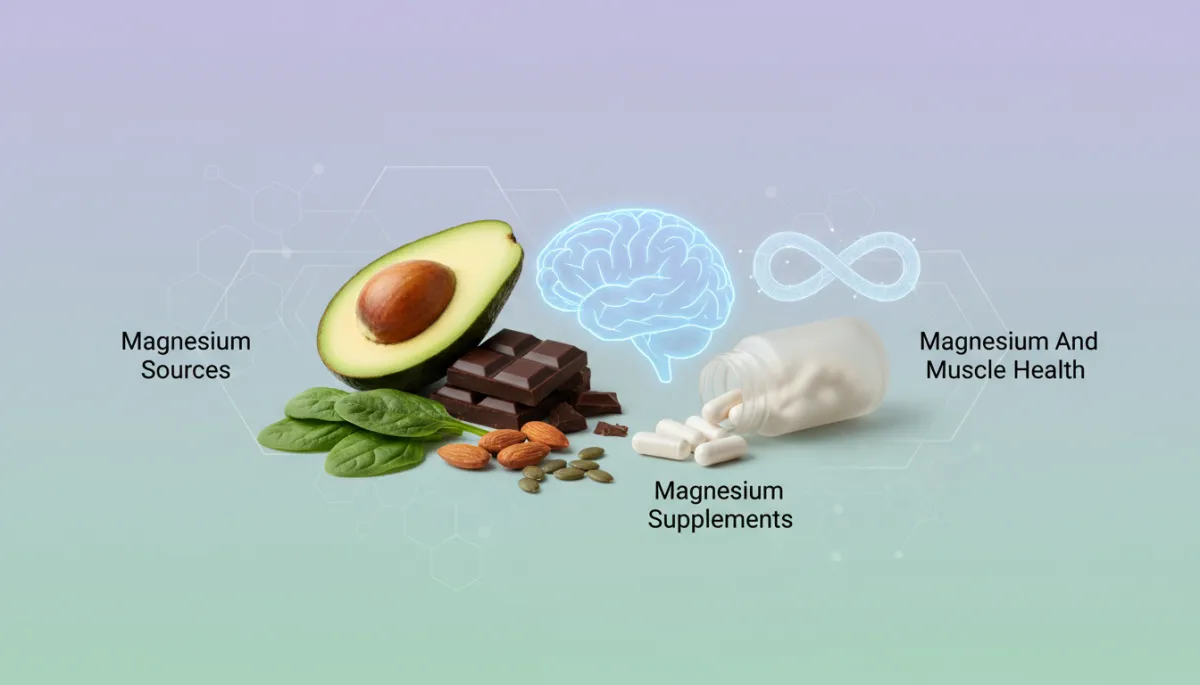
Before we talk about pills or powders, it is important to remember that food is always your foundation. The most sustainable way to support your magnesium levels over time is to regularly include magnesium sources in your everyday meals and snacks. Fortunately, many magnesium-rich foods are also packed with other nutrients your body loves.
Leafy greens: Spinach, Swiss chard, kale, and collard greens are all excellent sources. Think of a handful of greens in your omelet, smoothie, or dinner plate as a gift to your cells.
Nuts and seeds: Almonds, cashews, pumpkin seeds, sunflower seeds, and sesame seeds offer a satisfying crunch and a boost of magnesium, healthy fats, and protein.
Legumes: Black beans, lentils, chickpeas, and other beans provide magnesium along with fiber that supports gut health and steady energy.
Whole grains: Quinoa, brown rice, oats, and whole wheat contain more magnesium than their refined counterparts, which lose minerals during processing.
Dark chocolate: In moderation, high-quality dark chocolate (70% cocoa or higher) can contribute magnesium and antioxidants — a small pleasure with a nutritional bonus.

Simple, magnesium-rich foods can quietly support energy, mood, and muscle function.
You do not need to overhaul your entire diet at once. Start by choosing one meal or snack each day where you intentionally add a magnesium-rich food. Over weeks and months, these small choices add up and create a more supportive environment for your body.
Magnesium Supplements: When Food Is Not Quite Enough
Even with a thoughtful diet, some people still struggle to maintain optimal magnesium levels. This is where magnesium supplements can play a helpful role. They are not a replacement for nourishing food, but they can gently fill in the gaps, especially for those with higher needs or absorption issues. The key is to choose the right form and dose for your body, rather than grabbing the first bottle you see on a shelf.
Common Types of Magnesium Supplements
Magnesium glycinate: Often well-tolerated and gentle on the digestive system. Commonly used to support relaxation, sleep, and overall nervous system health.
Magnesium citrate: More likely to have a mild laxative effect, which can be helpful for those dealing with occasional constipation but less ideal for sensitive digestion at higher doses.
Magnesium malate: Sometimes chosen for individuals with fatigue and muscle discomfort, as malate is involved in energy production.
Magnesium threonate: A form that may more easily cross the blood–brain barrier, often used in protocols focused on cognitive function and brain health.
There is no single “best” form for everyone. The right choice depends on your goals, your digestion, and any other health conditions you may have. At Allura Health & Wellness, we match the form of magnesium to the person, not the other way around. We also pay attention to the total dose, because more is not always better. Too much magnesium, especially in certain forms, can lead to loose stools or discomfort — a clear sign to adjust your plan.
📌 Safety First: If you have kidney disease, heart rhythm issues, or take prescription medications, talk with your healthcare provider before starting magnesium supplements. Integrative care means working with your full medical picture, not around it.
Topical Magnesium: Another Gentle Option
Some people prefer or benefit from topical magnesium, such as magnesium lotions, oils, or bath salts. These products are applied to the skin and may be especially soothing for localized muscle tension or for those who do not tolerate oral supplements well. While research on absorption varies, many individuals report that a warm bath with magnesium salts or a pre-bedtime magnesium lotion helps their muscles and mind relax. This can be a comforting ritual to incorporate into your evening routine.

Oral and topical magnesium can complement a calming self-care routine when used wisely.
Magnesium, Stress, and Modern Life: Why So Many People Run Low
It is not your imagination: modern life is hard on magnesium. Chronic stress, long work hours, irregular meals, and constant digital stimulation all place extra demands on your nervous system — and magnesium is one of the minerals your body uses to cope. At the same time, many convenient foods are highly processed and stripped of natural minerals. Over time, this combination can quietly drain your magnesium reserves, even if your basic lab work looks “normal.”
At Allura Health & Wellness, we do not blame or shame anyone for this. Instead, we meet you where you are and help you build small, realistic habits that fit your daily life. That might mean planning a magnesium-rich snack for your afternoon slump, adding a gentle magnesium supplement in the evening, or exploring restorative therapies that lower your overall stress load so your body can use nutrients more effectively. Magnesium becomes one thread in a much larger tapestry of support.
Putting It All Together: A Simple Day with More Magnesium
To make this feel more practical, here is an example of how a typical day might naturally include more magnesium, without feeling restrictive or complicated. Think of this as inspiration, not a prescription — your needs and preferences will be unique.
Morning: Start with a veggie omelet or tofu scramble that includes spinach, plus a side of whole grain toast. Sip water throughout the morning instead of relying only on coffee, which can be dehydrating.
Midday: Enjoy a salad topped with black beans, pumpkin seeds, and avocado, or a grain bowl with quinoa, roasted vegetables, and chickpeas. Take a short walk to ease muscle tension and support circulation.
Afternoon: Choose a snack of almonds and a small square of dark chocolate, or hummus with whole grain crackers. Use this time to pause, breathe, and check in with your body’s energy level rather than pushing through on autopilot.
Evening: Have a balanced dinner with leafy greens, a source of protein, and a whole grain or root vegetable. If recommended by your provider, take a gentle dose of a magnesium supplement that supports your sleep and muscle recovery goals.
Night: Wind down with a warm shower or magnesium bath salts, followed by light stretching. Dim lights, put your phone away, and give your nervous system a chance to settle before bed.

Pairing magnesium with gentle routines reinforces your body’s natural cues for rest and repair.
When to Seek Personalized Support for Magnesium and Beyond
While general tips are a helpful starting point, there are times when it is wise to get more personalized guidance. If you live with chronic health conditions, take multiple medications, experience significant muscle pain, sleep disruption, or mood changes, or simply feel stuck despite your best efforts, working with an integrative team can make a meaningful difference. Magnesium is important, but it is only one part of a complex, beautifully interconnected system that includes hormones, gut health, inflammation, and more.
At Allura Health & Wellness in Miami, we approach magnesium through the lens of your whole life — your stress levels, movement patterns, nutrition, aesthetics goals, and long-term wellness vision. We blend evidence-based testing with compassionate listening, so you feel seen as a person, not a lab value. From tailored magnesium supplements and nutrition plans to advanced wellness therapies and aesthetic treatments, our goal is to help you look, feel, and live better in a way that feels sustainable and authentic to you.
The Quiet Power of Magnesium: A Kind Next Step for Your Health
Magnesium will probably never be the flashiest nutrient in the wellness world, but that is part of its charm. It works quietly, steadily, and reliably in the background, supporting your muscles, your sleep, your mood, your heart, and your ability to handle life’s demands. When you give your body enough magnesium — through thoughtful magnesium sources in food and, when appropriate, carefully chosen supplements — you are not chasing a quick fix. You are building a calmer, more resilient foundation from the inside out.
If something in this article resonates — if you recognize the signs of magnesium deficiency, feel curious about Magnesium For Sleep, or want to better understand Magnesium and Muscle Health in your own body — you do not have to sort it out alone. There is real comfort in having a team that listens, explains, and walks alongside you as you make changes at a pace that feels kind and realistic.
💙 Your Next Step: Take the first step toward a healthier, more radiant you — book your consultation today at Allura Health & Wellness. Together, we can explore whether optimizing magnesium, along with other integrative therapies, can help you sleep more deeply, move more comfortably, and feel more at home in your body.
Call Allura Health and Wellness at (786) 329-3465, or text us on WhatsApp: I’m interested to learn more about the article.
Selected references
To see more of our products, visit shop.AlluraHW.com.
