Molecular Hydrogen: Health Benefits & Research Insights
Health, Molecular Hydrogen, Hydrogen Therapy
Molecular Hydrogen and Your Health: What Current Research Really Shows
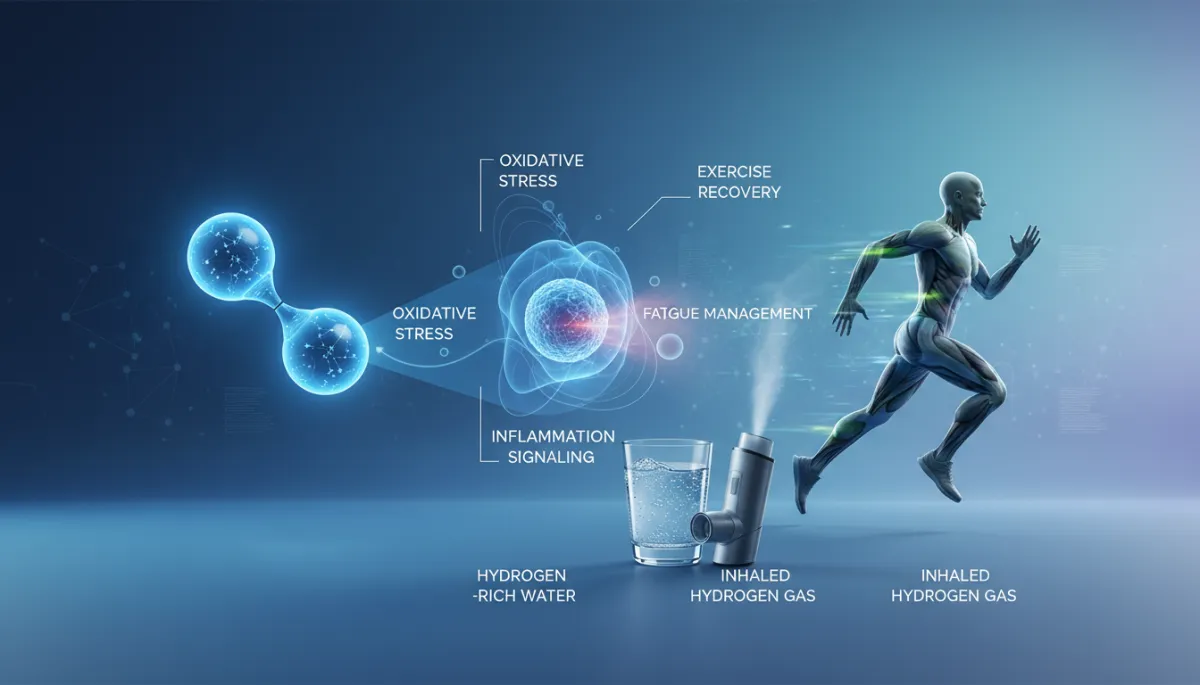
Molecular Hydrogen is getting a lot of attention for its potential to reduce oxidative stress, calm inflammation signaling, and support exercise recovery and fatigue management. In this friendly deep dive, we’ll explore what scientists are actually finding, how hydrogen therapy is delivered, and why it should still be viewed as an emerging, experimental area rather than a guaranteed cure.
What Is Molecular Hydrogen, and Why Are People Talking About It?
Molecular Hydrogen (often written as H2) is the smallest molecule in the universe: two hydrogen atoms bonded together. It is colorless, odorless, and for a long time was considered biologically inert. Over the last 15–20 years, though, researchers have been surprised to discover that H2 can act as a selective antioxidant and a subtle modulator of cell signaling, especially in the context of oxidative stress and inflammation signaling.
Unlike traditional antioxidants that can broadly neutralize many types of reactive oxygen species (ROS), Molecular Hydrogen appears to selectively target particularly damaging radicals such as hydroxyl radicals and peroxynitrite, while leaving helpful signaling molecules intact. Reviews in recent years have described H2 as a “redox-modulating agent” rather than a blunt antioxidant, because it seems to influence how cells sense and respond to stress rather than simply mopping up every free radical in sight (Frontiers in Pharmacology, 2020; ScienceDirect reviews 2024–2025).
💡 Friendly reminder: Molecular Hydrogen is promising, but it’s still an emerging area of research. Think “interesting tool under investigation,” not “miracle cure.”
Oxidative Stress 101: Where Molecular Hydrogen Might Fit In
To appreciate why Molecular Hydrogen is interesting, it helps to understand oxidative stress. Every cell in your body constantly produces ROS as part of normal metabolism. In reasonable amounts, ROS help with signaling, immunity, and adaptation to exercise. Problems arise when ROS production overwhelms your antioxidant defenses, tipping you into oxidative stress, which can damage lipids, proteins, and DNA and contribute to many chronic conditions.
Research from 2024–2026 suggests that Molecular Hydrogen can reduce certain forms of oxidative stress in cells, animals, and some human studies. Experimental work indicates that H2 may:
Scavenge particularly harmful radicals, helping restore redox balance without shutting down normal signaling.
Activate protective pathways such as Nrf2, which turns on your own antioxidant defenses, and modulate NF-κB, a major controller of inflammatory responses (ScienceDirect, 2025 review).
Influence mitochondrial function, including subtle stress responses that may, paradoxically, make cells more resilient over time (a concept called “mitohormesis”).
In simple terms, Molecular Hydrogen may help cells cope better with oxidative challenges rather than acting as a heavy-handed antioxidant that shuts everything down. That nuance is important when we think about exercise, inflammation, and fatigue management, where some oxidative signaling is actually necessary for adaptation and healing.
Inflammation Signaling: Calming the Fire Without Extinguishing It
Oxidative stress and inflammation signaling are tightly intertwined. Excess ROS can activate inflammatory pathways like NF-κB, which in turn increase production of inflammatory cytokines. Chronic, low-grade inflammation is implicated in conditions ranging from arthritis and cardiovascular disease to cognitive decline and persistent fatigue syndromes.
Multiple preclinical studies and reviews up to 2026 suggest that Molecular Hydrogen can reduce inflammation signaling in a variety of models. For example:
In sepsis-associated encephalopathy models, H2 has been shown to dampen neuroinflammation, protect neurons, and support mitochondrial quality control through pathways like SIRT1 and PINK1-dependent mitophagy (European Journal of Pharmacology, 2026; Springer 2025–2026).
In kidney injury from chemotherapy drugs such as cisplatin, inhaled hydrogen reduced renal inflammation and cell death in mice, partly by altering metabolic enzymes and ketone production (Molecular Biology Reports, 2025).
In models of brain injury after intracerebral hemorrhage, new nanosheet-based delivery systems that slowly release H2 helped reduce inflammatory damage and apoptosis (Journal of Translational Medicine, 2026).
These are early-stage, mostly animal and cell studies, but they support the idea that Hydrogen Therapy may gently nudge inflammatory pathways toward balance rather than shutting them off completely. That subtlety could be important in chronic inflammatory and pain conditions, although we still need larger human trials to know how much benefit people can realistically expect.

Early studies link molecular hydrogen to gentler regulation of inflammatory signaling pathways.
Hydrogen Therapy in Musculoskeletal Health and Pain: Where Things Stand
One of the more active clinical areas for Hydrogen Therapy is musculoskeletal health—conditions like osteoarthritis, rheumatoid arthritis, muscle injuries, and chronic pain. A 2026 evidence-based review looked at 25 preclinical and 20 clinical studies and found that Molecular Hydrogen often showed symptom relief and reductions in biomarkers related to oxidative stress and inflammation in these disorders.
However, the review also highlighted major limitations: many trials had small sample sizes, short durations, different delivery methods (hydrogen-rich water, inhaled hydrogen gas, hydrogen-rich saline), and inconsistent use of objective biomarkers. In other words, the overall picture is promising but far from definitive. For someone living with arthritis or chronic pain, Molecular Hydrogen might be one potential tool in a broader management plan—but not a stand-alone solution or replacement for medical care.
📌 Key takeaway: In musculoskeletal and pain conditions, current evidence suggests possible modest benefits from Hydrogen Therapy, but the science is still early, and high-quality randomized trials are needed.
Exercise Recovery and Fatigue Management: Can Molecular Hydrogen Help You Bounce Back?
For athletes, weekend warriors, and anyone who just wants to feel less wiped out after activity, the idea that Molecular Hydrogen might support exercise recovery and fatigue management is especially appealing. Research in this area is growing, and the results so far are cautiously encouraging—but still preliminary.
Animal and Human Data on Exercise Recovery
A 2026 animal study found that mice given hydrogen-rich water (HRW) were able to run longer on a treadmill and showed lower markers of oxidative stress, inflammation, and muscle damage, even without big changes in antioxidant gene expression (Frontiers in Nutrition, 2026). This suggests that H2 may directly suppress harmful ROS during intense exercise, potentially easing the burden on muscle cells.
In humans, a 2024 systematic review and meta-analysis of Hydrogen Therapy in exercise settings found that H2 did not consistently reduce all direct oxidative stress markers, but it did appear to enhance biological antioxidant potential, especially during intermittent exercise. Some small trials reported improved performance or reduced perceived fatigue, while others were more neutral. Overall, the evidence hints that Molecular Hydrogen might offer a gentle edge in exercise recovery and fatigue management, particularly for people doing repeated high-intensity efforts, but it’s not a magic performance enhancer.
Fatigue Syndromes and Chronic Conditions
Beyond sports, researchers are also exploring Hydrogen Therapy in conditions marked by severe, persistent fatigue, such as Myalgic Encephalomyelitis/Chronic Fatigue Syndrome (ME/CFS). A mini-review published in 2026 summarized small pilot trials where people with ME/CFS drank hydrogen-rich water for several weeks. Some participants reported reductions in fatigue and improvements in physical function, with relatively mild side effects.
Mechanistically, this makes sense: ME/CFS and related conditions often involve oxidative stress, mitochondrial dysfunction, and abnormal inflammation signaling—all areas where Molecular Hydrogen might help. But again, the trials so far are small, short, and often rely heavily on self-reported outcomes. The authors of the review emphasize the need for larger, well-designed studies with objective biomarkers and longer follow-up before firm conclusions can be drawn (Frontiers in Medicine, 2026).

Early research suggests hydrogen-rich water may gently support exercise recovery and perceived fatigue.
Delivery Methods: How Is Hydrogen Therapy Actually Used?
When people talk about Hydrogen Therapy, they’re really talking about different ways of getting Molecular Hydrogen into the body. As of 2025–2026, the main delivery methods under study include:
1. Hydrogen-Rich Water (HRW)
Hydrogen-rich water is simply water that has been infused with dissolved Molecular Hydrogen gas. It can be produced using tablets, electrolysis devices, or pressurized systems. HRW is one of the most popular and practical forms of Hydrogen Therapy in both research and consumer settings because it’s easy to drink and generally well tolerated.
Used in studies on exercise recovery, ME/CFS, metabolic health, and skin aging.
Typical research protocols involve drinking HRW daily for several weeks.
Dosing, concentration, and timing are not yet standardized, which makes it hard to compare studies or give firm recommendations.
2. Inhaled Hydrogen Gas
Inhaled hydrogen gas is delivered through a mask, nasal cannula, or similar device, often mixed with air or oxygen. This method can achieve higher and more immediate levels of H2 in the blood and tissues, making it attractive for acute or hospital-based applications, such as brain injury or kidney injury models.
A 2026 randomized, double-blind crossover trial in healthy women found that 60 minutes of hydrogen inhalation slightly decreased blood oxygen saturation (from 96.7% to 95.9%) but did not meaningfully affect heart rate variability or autonomic function, and the change was not considered clinically significant. This supports an early picture of reasonable short-term safety in healthy individuals, though more data are needed—especially in people with underlying lung or heart disease.
3. Hydrogen-Rich Saline and Other Medical Routes
In hospital and research settings, Molecular Hydrogen can also be delivered as hydrogen-rich saline via infusion or injection. This route is being explored in serious conditions like stroke, cardiac arrest, and organ injury, mainly in preclinical or early clinical trials. There are also experimental approaches like hydrogen baths, topical hydrogen-rich gels for skin, and innovative nanomaterials that slowly release H2 in specific tissues, such as the brain after hemorrhage.

Delivery methods range from simple hydrogen-rich water to supervised inhaled gas in clinical settings.
Safety, Limitations, and Why Hydrogen Therapy Is Not a Guaranteed Cure
One of the reasons Molecular Hydrogen has attracted attention is its generally favorable safety profile in published studies so far. H2 is naturally produced in small amounts by gut bacteria, and the body appears to tolerate a wide range of exposures without major toxicity. Most clinical trials using hydrogen-rich water or inhaled hydrogen gas have reported few and mild side effects.
However, “appears safe in early studies” is not the same as “proven safe and effective for all uses.” Here are some key limitations and cautions to keep in mind:
Small, short trials: Many studies involve relatively few participants and last only a few weeks or months, which limits our understanding of long-term effects and rare side effects.
Heterogeneous methods: Different concentrations, delivery methods (HRW, gas, saline), and dosing schedules make it hard to compare results or define “standard” Hydrogen Therapy.
Subjective outcomes: Especially in fatigue management and chronic pain, many studies rely heavily on self-reported symptoms without enough objective biomarkers or performance measures.
Publication bias: It’s possible that positive findings are more likely to be published than neutral or negative ones, which can skew our impression of how effective Molecular Hydrogen really is.
In plain language, Hydrogen Therapy is an intriguing tool that may support oxidative stress balance, inflammation signaling, exercise recovery, and fatigue management in some contexts—but it is not a proven cure for chronic disease, and it should not replace standard medical care, medications, or lifestyle strategies recommended by your health-care team.
Practical Tips if You’re Curious About Molecular Hydrogen
If you’re thinking about trying hydrogen-rich water or another form of Hydrogen Therapy, here are some friendly, practical pointers to consider as you explore the options:
Start with a conversation: Talk with a qualified clinician—ideally someone familiar with integrative or functional medicine—about your specific health conditions, medications, and goals. Molecular Hydrogen may not be appropriate for everyone, especially if you have complex medical issues.
Be realistic about expectations: View Hydrogen Therapy as a possible supportive tool, not a cure-all. Improvements, if they occur, may be subtle or gradual and can vary widely from person to person.
Prioritize foundations first: Sleep quality, nutrition, movement, stress management, and appropriate medical care remain the backbone of managing oxidative stress, inflammation, and fatigue. Molecular Hydrogen is not a shortcut around these basics.
Pay attention to how you feel: If you and your clinician decide to trial hydrogen-rich water or another form of Hydrogen Therapy, track symptoms like energy, recovery, pain, and sleep, along with any lab markers your clinician recommends. This can help you decide whether it’s worthwhile for you personally.
⚠️ Important: Always seek personalized guidance from a qualified health-care professional before starting, stopping, or changing any therapy—especially if you live with chronic illness, take prescription medications, or are pregnant or breastfeeding.

Personalized guidance from qualified clinicians is essential when considering hydrogen therapy for health conditions.
Looking Ahead: Where Molecular Hydrogen Research Is Going Next
The field of Molecular Hydrogen research is moving quickly. From 2024 to 2026, scientists have expanded studies into areas like respiratory disease, chronic kidney disease, aging, dermatology, metabolic health, and neurological injury. New delivery systems—such as nanosheets that slowly release H2 in targeted tissues—are being tested in animal models, and more human trials are underway worldwide.
Experts consistently call for:
Larger, well-powered randomized controlled trials with placebo or sham controls.
Standardized dosing and delivery protocols for hydrogen-rich water, inhaled hydrogen gas, and other forms of Hydrogen Therapy.
Better use of objective biomarkers—such as oxidative stress markers, inflammatory cytokines, mitochondrial function tests, and performance measures—to truly understand how Molecular Hydrogen affects the body.
As this research matures, we’ll get clearer answers to key questions: Who benefits most from Hydrogen Therapy? Which delivery method and dose are best for specific conditions? How does H2 fit alongside other treatments and lifestyle strategies? For now, the science invites cautious optimism—paired with healthy skepticism and a strong commitment to evidence-based decision-making.
Friendly Wrap-Up: How to Think About Molecular Hydrogen Today
Molecular Hydrogen sits at a fascinating intersection of basic science and practical wellness. On one hand, we have compelling mechanistic data showing that H2 can modulate oxidative stress, inflammation signaling, mitochondrial function, and even certain ion channels. On the other, human evidence—especially for exercise recovery, fatigue management, and chronic conditions—is still emerging, with many small and preliminary studies.
If you’re curious about Hydrogen Therapy, it’s reasonable to see it as a potentially helpful, generally low-risk adjunct—especially in the form of hydrogen-rich water—when used thoughtfully and under the guidance of a qualified clinician. It may support your body’s response to oxidative stress, ease certain aspects of inflammation, and gently assist with recovery and fatigue, but it is not a cure-all and should not be used as a substitute for established medical care or healthy lifestyle habits.
As research continues to unfold, staying informed, asking good questions, and partnering with knowledgeable health professionals will help you make the most of the evolving science of Molecular Hydrogen—without falling for overblown claims. For now, a friendly, balanced perspective is your best ally: open to the possibilities, grounded in the evidence, and always centered on your unique health story.
