
Prevent Weight Regain: Build a Lasting Maintenance Plan
Weight Regain, GLP-1 Medications, Maintenance Plan, Healthy Habits, Obesity Treatment, Nutrition Support
Why Weight Regain Happens — And How to Build a Maintenance Plan That Lasts
If you’ve ever lost weight and then watched some (or all) of it creep back, you are not alone — and you are not failing. As a healthcare professional at Allura Health & Wellness, I want to walk you through why weight regain is driven by biology, not willpower, and how you can build a realistic, compassionate Maintenance Plan while weight loss is still happening so you’re set up for long‑term success.
⚠️ Important Medical Disclaimer: This article is for educational purposes only and is not a substitute for personalized medical advice, diagnosis, or treatment. Always consult a qualified clinician before starting, changing, or stopping any Obesity Treatment, including GLP-1 Medications or other therapies.
1. Weight Regain Is Biology, Not a Moral Failure
One of the core values at Allura Health & Wellness is compassion. That starts with recognizing that obesity is a chronic medical condition, not a character flaw. Modern guidelines from organizations like the Obesity Medicine Association and the American Diabetes Association are very clear: body weight is regulated by a complex system of hormones, brain circuits, genetics, environment, and medications — not just “eat less and move more.”
When you lose weight, your body doesn’t simply say, “Great job, let’s stay here.” Instead, it often responds as if you’re in danger of starvation. Hunger hormones rise, fullness signals drop, and your metabolism may slow. From a biological perspective, weight regain is a normal, predictable response to weight loss. That doesn’t mean you’re doomed — it means we need a thoughtful Maintenance Plan that respects how your body actually works.
💬 Gentle reminder: If you’ve regained weight in the past, it does not mean you lack discipline. It means your biology is powerful — and with the right Obesity Treatment and Healthy Habits, you can work with your body instead of fighting it.
2. What Your Body Does During and After Weight Loss
Understanding the body’s response to weight loss can take a lot of shame out of the process. Here are some of the key changes we see in research and in clinical practice at Allura Health & Wellness:
Hunger hormones increase. Levels of ghrelin (often called the “hunger hormone”) tend to rise after weight loss, which can make you feel hungrier than before you started your journey.
Fullness hormones decrease. Hormones like GLP-1 and peptide YY that help you feel satisfied can decrease when body weight drops, especially after significant loss.
Metabolism slows. Your body often burns fewer calories at rest after weight loss, a phenomenon called “adaptive thermogenesis.” This means you might regain weight even if you’re eating the same as before.
Appetite and cravings can intensify. Brain reward circuits may become more sensitive to highly processed, high-calorie foods, making cravings feel stronger and harder to ignore.
None of these responses are signs that you are “weak.” They are survival mechanisms. The key is to anticipate them and build a Maintenance Plan — including Nutrition Support, movement, sleep, and sometimes medications — that helps you stay in your healthier range without feeling miserable or deprived.
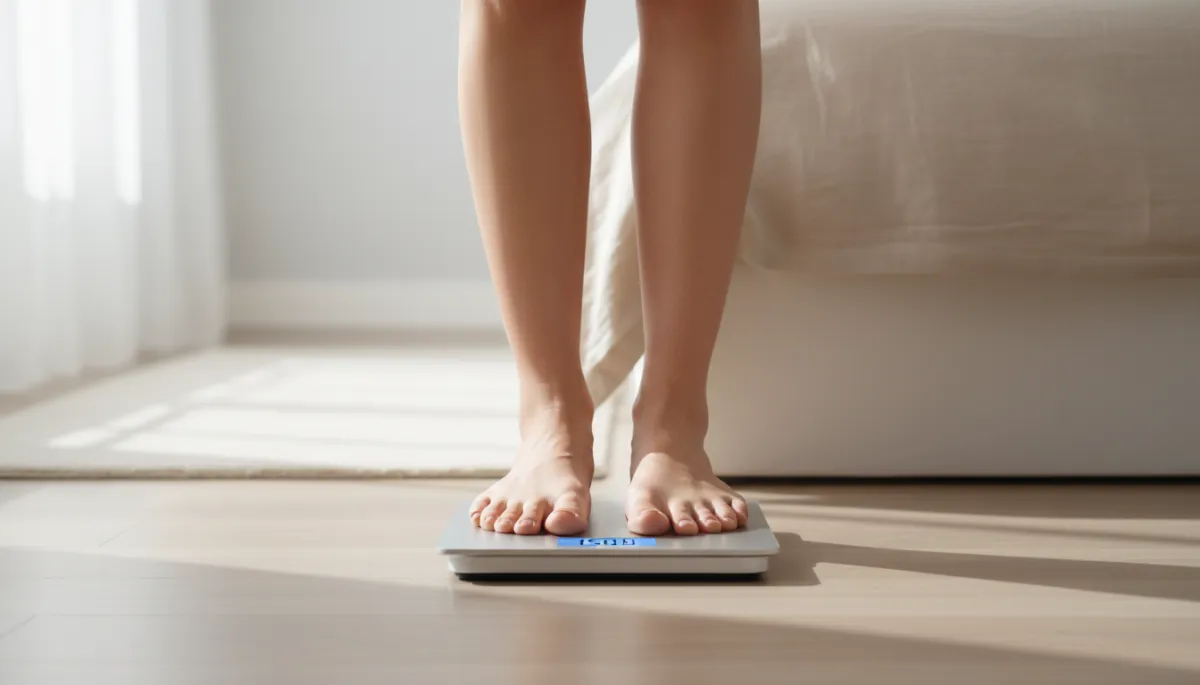
Gentle, regular monitoring helps you notice early signs of Weight Regain without panic or shame.
3. Why You Need a Maintenance Plan While You’re Still Losing Weight
Many people wait until they “reach their goal weight” to think about maintenance. By then, the structure of a program may be gone, motivation may feel lower, and biology is pushing hard toward regain. At Allura Health & Wellness, we encourage patients to start building a Maintenance Plan while the scale is still moving down. Here’s why that matters:
You can practice long-term Healthy Habits (like protein intake, resistance training, and sleep routines) before the intense “diet phase” ends, so they feel familiar and sustainable.
You and your clinician can gradually adjust your calories, activity, and GLP-1 Medications (if used) to find a stable, realistic routine — rather than abruptly stopping everything at once.
You can mentally shift from a short-term “project” mindset to a long-term “chronic care” mindset, which is much more aligned with how Obesity Treatment works in 2026 guidelines.
Think of it like training for a marathon: you don’t wait until race day to learn how to pace yourself. You practice during the training period, so your body and mind know what to do when things get harder. Your Maintenance Plan is your pacing strategy for the long run.
4. The Role of GLP-1 Medications Like Semaglutide and Tirzepatide
GLP-1 Medications have changed the landscape of Obesity Treatment. Medications such as semaglutide (Wegovy) and tirzepatide (Zepbound) are now recommended as first-line pharmacologic options for many adults with obesity or overweight and related health conditions, according to 2026 guidelines from the American College of Physicians and European obesity frameworks. These medications work by mimicking hormones that help regulate appetite, fullness, and blood sugar.
Research shows that GLP-1 receptor agonists can lead to significant weight loss and improvements in blood pressure, cholesterol, and fatty liver disease. Newer options — including oral agents like orforglipron (Foundayo) and experimental multi-receptor drugs — are expanding possibilities even further. Importantly, the World Health Organization emphasizes that these medications should be part of a comprehensive approach that includes Nutrition Support, physical activity, and behavioral strategies, not a stand‑alone quick fix.
⚠️ Safety note: GLP-1 Medications can have side effects (such as nausea, vomiting, or rare complications) and are not appropriate for everyone. Misuse and sourcing from unregulated channels have raised safety concerns internationally. Always work with a qualified clinician who knows your medical history before starting or continuing these medications.
Another key point: obesity is a chronic disease. For many people, ongoing treatment with GLP-1 Medications or other anti-obesity medications may be needed to maintain benefits. Stopping suddenly can lead to a strong biological drive toward Weight Regain. That doesn’t mean you must stay on the highest dose forever, but it does mean that any change in treatment should be planned and monitored with your healthcare team.

GLP-1 Medications can powerfully support appetite regulation when combined with a structured Maintenance Plan.
5. Essential Habits for Maintenance: Building a Stable Foundation
Medications can help, but your everyday habits are the foundation of long-term maintenance. At Allura Health & Wellness, we focus on four core pillars: protein intake, fiber-rich foods, resistance training, and sleep routines. These Healthy Habits are not about perfection; they’re about giving your body consistent support so that biology is working with you, not against you.
Protein: Protect Your Muscle, Support Your Metabolism
When you lose weight, you don’t just lose fat — you can lose muscle as well. Maintaining or rebuilding muscle is essential for keeping your metabolism as strong as possible. Many adults do well aiming for 20–30 grams of protein per meal, though your exact needs should be personalized with a clinician or registered dietitian. Good sources include eggs, Greek yogurt, poultry, fish, tofu, tempeh, beans, and lentils.
Fiber-Rich Foods: Volume, Fullness, and Blood Sugar Balance
Fiber adds bulk and slows digestion, helping you feel fuller on fewer calories and keeping blood sugar steadier. Aim to include vegetables, fruits, beans, lentils, and whole grains daily. Think: a large salad with grilled chicken, a bowl of vegetable and bean soup, or oatmeal topped with berries and nuts. These foods also nourish your gut microbiome, which may play a role in weight regulation and overall health.
Resistance Training: Your Metabolic Ally
Resistance training — such as lifting weights, using resistance bands, or bodyweight exercises like squats and push-ups — sends a clear message to your body: this muscle is needed. That makes it one of the most powerful tools for maintenance. Even two to three sessions per week can help preserve lean mass, support bone health, and improve mood and confidence. You do not need to become a bodybuilder; we often start patients with short, simple routines they can do at home or in a small gym space.
Sleep Routines: The Underestimated Hormone Regulator
Chronic short sleep and poor sleep quality are strongly linked with Weight Regain and difficulty losing weight. Inadequate sleep can raise hunger hormones, increase cravings for high-sugar, high-fat foods, and reduce your ability to make calm, intentional choices. A realistic goal for many adults is 7–9 hours of sleep most nights, with a consistent bedtime and wake time, a calming wind-down routine, and limited screens close to bedtime. If you snore loudly, wake up gasping, or feel unrefreshed despite enough hours in bed, talk with your clinician about screening for sleep apnea.
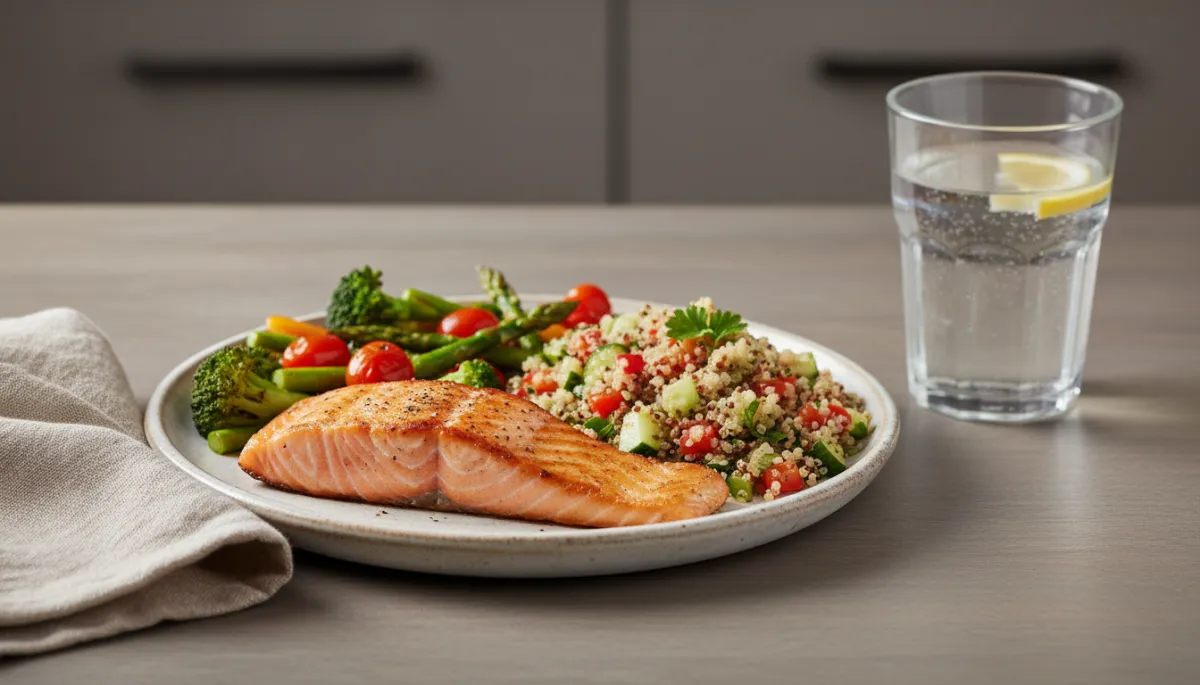
Protein and fiber-rich meals help you feel satisfied while supporting long-term Obesity Treatment goals.
6. Monitoring Early Signs of Weight Regain — Without Panic
One of the most empowering things you can do is learn to spot early signs of Weight Regain and respond gently, rather than waiting until you feel completely off track. At Allura Health & Wellness, we often suggest a “data without drama” approach — using information as feedback, not judgment.
Regular, but not obsessive, weigh-ins. Many people find once‑weekly or twice‑weekly weighing helpful. A small, steady upward trend over several weeks is more meaningful than a single higher day due to salt, hormones, or constipation.
Noticing how clothes fit. Tightening waistbands or snug shirts can be early indicators before the scale changes much.
Tracking hunger, cravings, and energy. A sudden surge in appetite or cravings, especially if you’re also more tired or stressed, may signal that your biology and lifestyle are out of sync and need some adjustment.
Checking in with your habits. Are protein and fiber slipping? Has resistance training or sleep taken a back seat? These small shifts can add up over time.
When you notice early signs of regain, it’s not a signal to punish yourself. It’s an invitation to recalibrate your Maintenance Plan: perhaps scheduling an extra Nutrition Support visit, restarting a simple strength routine, or reviewing your GLP-1 Medications with your clinician to see whether adjustments are needed.
7. Ongoing Treatment: Why “Forever Care” Is Not Failure
Many chronic conditions — high blood pressure, asthma, depression — require ongoing treatment. Obesity is no different. Current guidelines from the WHO, ACP, and ADA emphasize that long-term management is expected, and that stopping effective therapy often leads to a return of symptoms, including Weight Regain and worsening metabolic health.
For some people, that might mean continuing GLP-1 Medications like semaglutide or tirzepatide long term, possibly at a lower maintenance dose. For others, it could involve switching to a different medication, combining lower-dose medication with structured lifestyle support, or integrating additional therapies. The key is that ongoing care is a sign of commitment to your health, not a sign that you “couldn’t do it on your own.”
💡 Pro tip: When you meet with your clinician, ask directly, “What might my long-term Maintenance Plan look like?” Hearing that ongoing treatment is normal can be incredibly reassuring and help you plan emotionally and financially.
8. Why Working With a Qualified Clinician Matters
Because obesity is complex, you deserve expert, compassionate care. A qualified clinician — ideally someone trained in obesity medicine or integrative medicine — can help you:
Evaluate medical, hormonal, and lifestyle factors contributing to weight gain and Weight Regain.
Decide whether GLP-1 Medications or other anti-obesity drugs are appropriate, safe, and cost-effective for you.
Design a personalized Maintenance Plan that includes Nutrition Support, movement, sleep, and stress management, tailored to your life and preferences.
Monitor labs, side effects, and progress over time, adjusting your Obesity Treatment as new research and medications become available.
At Allura Health & Wellness in Miami, our integrative approach means we look at the whole person — mind, body, and lifestyle. We blend medical therapies, including evidence-based GLP-1 Medications when appropriate, with holistic tools like sleep optimization, stress reduction, and advanced wellness therapies to support your energy, mood, and longevity. Our promise is transparency and integrity: no overpromising, no quick fixes, just real, sustainable support.

Collaborative, non-judgmental care makes it easier to adjust treatment and prevent Weight Regain.
9. Putting It All Together: Your Personalized Maintenance Plan
Every person’s journey is unique, but an effective Maintenance Plan after weight loss usually includes some version of the following elements:
Clear, flexible weight range. Instead of a single “goal number,” many people do better with a realistic range (for example, a 5–10 pound window) that allows for normal fluctuations without panic.
Weekly check-ins. This might be a quick self-review or a short message to your care team about weight, hunger, energy, and stress. The goal is early course correction, not perfection.
Daily nutrition anchors. For example: “Protein at every meal,” “Two servings of vegetables at lunch and dinner,” and “Fiber-rich breakfast most days.” Simple anchors are easier to maintain than complicated rules.
Movement routine you actually like. Two or three resistance training sessions plus daily walking, dancing, swimming, or other enjoyable activities — not punishment, but care for your body and mind.
Sleep and stress plan. A consistent bedtime, a calming wind-down ritual, and at least one stress-management tool you can lean on (such as breathing exercises, journaling, or gentle yoga).
Medication strategy. A clear plan — developed with your clinician — for continuing, adjusting, or tapering GLP-1 Medications or other prescriptions, with specific times for follow-up visits and lab checks.
Most importantly, a compassionate Maintenance Plan leaves room for real life. Holidays, travel, stressful seasons, and changes in work or family demands are all expected. The goal is not to avoid every bump in the road, but to have a map, a support team, and the tools to get back on course when needed.
10. A Final Word of Encouragement
If you take only one message from this article, let it be this: Weight Regain is biology, not a moral failure. Your body is doing exactly what it was designed to do — protect you. With a thoughtful Maintenance Plan, evidence-based tools like GLP-1 Medications when appropriate, and daily Healthy Habits that feel kind rather than punishing, you can create a way of living that supports your health, confidence, and longevity.
At Allura Health & Wellness, we are here to walk alongside you — not just during the exciting early weeks of weight loss, but through the quieter, equally important season of maintenance. We believe you deserve personalized, integrative Obesity Treatment that honors your biology, your story, and your goals.
🏥 Next step: If you’re ready to explore a tailored Maintenance Plan, Nutrition Support, or GLP-1 Medications as part of your Obesity Treatment, connect with a qualified clinician. Take the first step toward a healthier, more radiant you — book your consultation today at Allura Health & Wellness.
