How Stress Impacts Hormones and Energy Levels
Stress Effects, Stress And Sleep, Energy Levels, Cortisol Levels, Chronic Stress, Hormonal Response
How Stress Affects Your Body: From Hormones to Energy Levels
As a healthcare professional at Allura Health & Wellness, I meet many people who feel “tired but wired,” stuck in survival mode, or confused by symptoms that seem to come out of nowhere. Often, the common thread is stress. Not just mental stress, but a full-body hormonal response that touches everything from your sleep to your weight and daily energy levels. In this guide, we’ll walk through what’s really happening inside your body when you’re stressed, why stress is not inherently bad, and how to build a healthier rhythm and resilience with practical, evidence-informed tools.
Stress Is a Body-Wide Signal, Not Just “In Your Head”
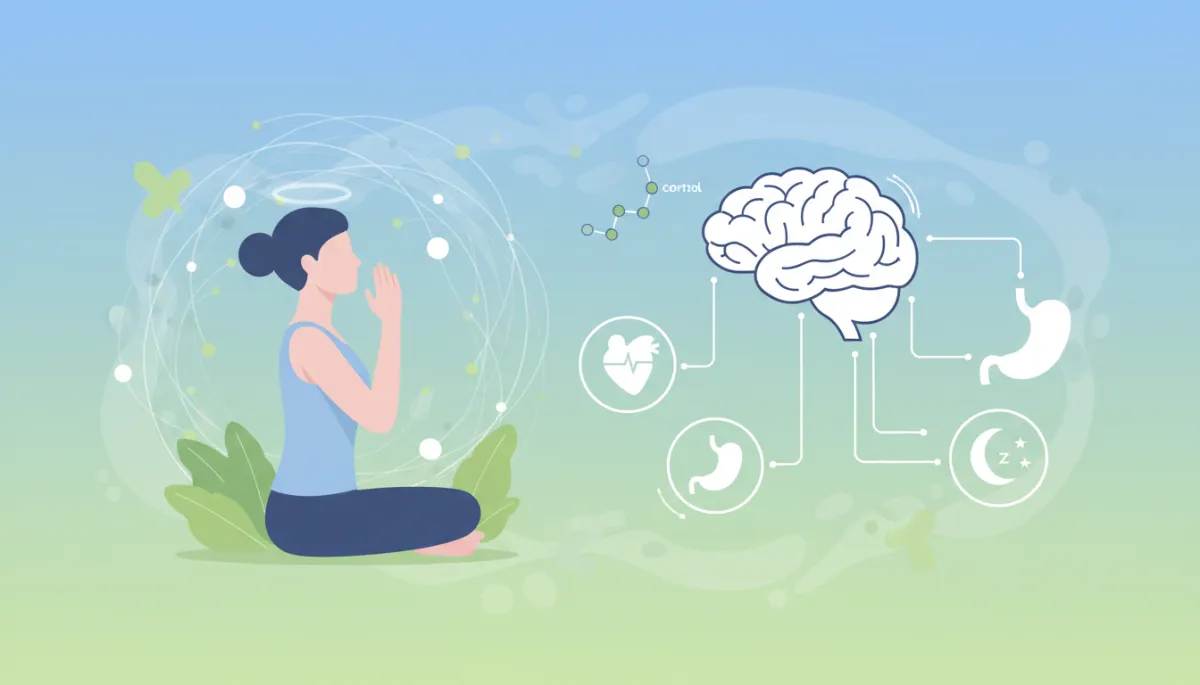
Many people think of stress as a mood: feeling anxious, overwhelmed, or on edge. In reality, stress is a body-wide signal system designed to keep you alive. When your brain detects a threat — a looming deadline, an argument, financial worries, or even chronic pain — it sends a message through your nervous system and hormone pathways to help you respond quickly and effectively.
This system is often called the “fight-or-flight” response and involves your brain, adrenal glands, heart, lungs, immune system, digestive tract, and more. In the short term, this response can be incredibly helpful: your focus sharpens, blood flow shifts to your muscles, and your body prepares for action. These are normal stress effects and, in short bursts, they can even improve performance and protect your health by helping you respond to challenges quickly and decisively.
Problems tend to arise when that stress signal stays “on” too often or too long. Instead of a wave that rises and then falls, it becomes a constant background noise. That’s where we begin to see issues with chronic stress, disrupted sleep, low energy, and changes in weight and performance. To understand why, we need to look more closely at one of the key hormones involved: cortisol.
Cortisol Levels: Your Built-In Stress Hormone (and Daily Rhythm Keeper)
Cortisol is often called the “stress hormone,” but that label can be misleading. As a clinician, I like to describe cortisol as your energy and timing hormone. It is produced by your adrenal glands and follows a natural 24-hour rhythm, usually peaking in the morning to help you wake up and gradually falling throughout the day so you can wind down and sleep at night. This daily pattern is part of your body’s internal clock, or circadian rhythm, and it has a major influence on your energy levels, mood, and metabolism.
When you encounter a stressor, your brain signals your adrenal glands to release more cortisol. In the short term, this rise in cortisol levels helps mobilize glucose (sugar) into your bloodstream for quick energy, supports blood pressure, and temporarily shifts resources away from non-urgent functions like digestion and reproduction. This is the body’s elegant hormonal response to help you survive a challenge. Again, this is not “bad” — it’s protective and adaptive when it happens in healthy bursts with time to recover afterward.
However, if stress is ongoing — such as constant work pressure, caregiving responsibilities, unresolved trauma, or chronic illness — your cortisol rhythm can become disrupted. Some people experience consistently elevated cortisol, especially in the evening, which can feel like being wired at night and exhausted in the morning. Others may eventually experience lower-than-ideal cortisol, which can show up as burnout, fatigue, and difficulty bouncing back from even small stressors. Both patterns are signs that the body’s stress system needs support, not judgment or blame.
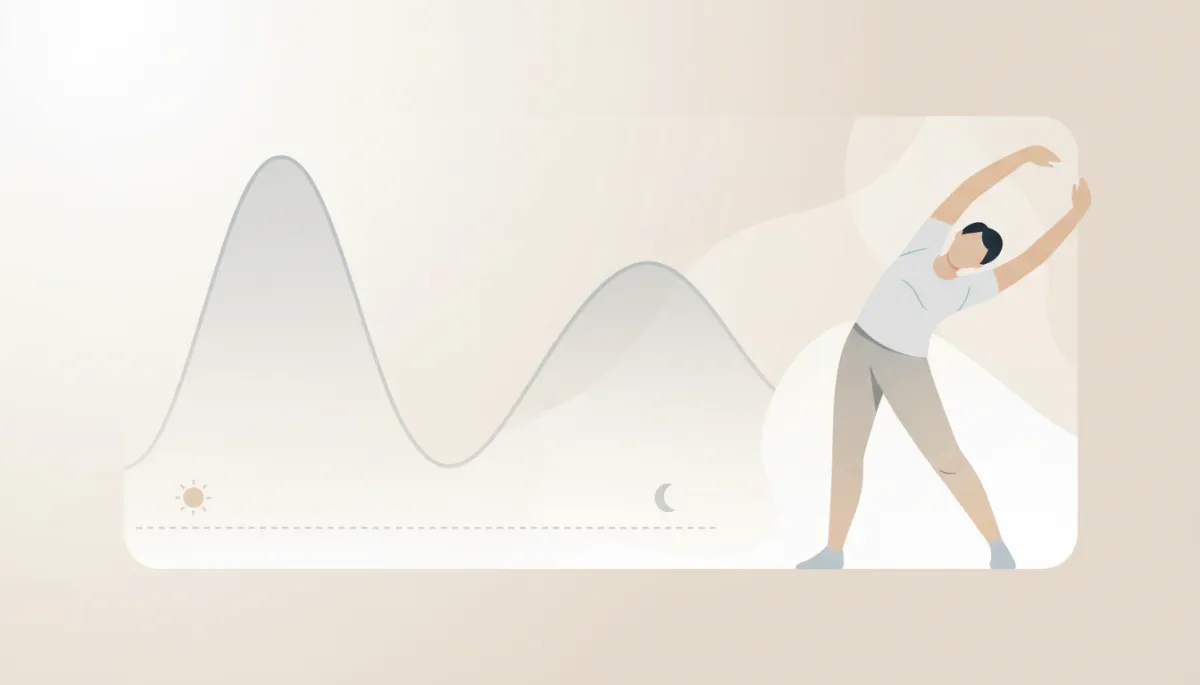
A healthy cortisol rhythm peaks in the morning and gently tapers, supporting steady energy and calmer evenings.
Stress and Sleep: Why You Feel “Tired but Wired”
One of the most common questions I hear at Allura Health & Wellness is, “Why am I so tired during the day, but my mind won’t shut off at night?” This is a classic sign that the relationship between stress and sleep has been disrupted. Your brain and body rely on a predictable pattern of hormones — including cortisol and melatonin — to know when it’s time to be alert and when it’s time to rest. Chronic stress can scramble these signals.
In a healthy rhythm, cortisol is higher in the morning and lower at night, while melatonin (your primary sleep hormone) does the opposite. With ongoing stress, you might see elevated evening cortisol, which can feel like racing thoughts, a pounding heart, or an inability to relax even when you’re exhausted. This pattern can lead to trouble falling asleep, staying asleep, or waking too early. Over time, poor sleep further strains your stress system, creating a loop where stress and sleep continuously affect each other in a negative cycle.
The result? Your energy levels during the day can swing between sluggish and jittery. You may lean on caffeine or sugar to get going, crash mid-afternoon, and then feel a second wind late at night. It’s easy to interpret this as “my body is broken,” but often it’s a sign that your stress and sleep rhythms need gentle recalibration, not harsh self-criticism or extreme quick fixes.
⚠️ Important: If you experience loud snoring, gasping during sleep, frequent breathing pauses, or extreme daytime sleepiness, please speak with a healthcare professional. These may be signs of sleep apnea or another medical condition that requires evaluation beyond lifestyle changes.
How Chronic Stress Impacts Weight, Metabolism, and Performance
When stress becomes chronic, its effects extend beyond mood and sleep. Many people notice changes in their weight, appetite, and physical or mental performance. These changes are not simply about “willpower” — they are deeply connected to your cortisol levels, insulin response, and other hormones that regulate hunger, fullness, and how your body uses energy.
Elevated cortisol can increase appetite in some people, especially for quick energy sources like refined carbohydrates and sugary foods. At the same time, cortisol encourages your body to store more fat around the abdomen, which is metabolically active and associated with higher risk for conditions like insulin resistance, high blood pressure, and cardiovascular disease. Over months or years, this pattern can contribute to weight gain, even if your diet hasn’t changed dramatically. This is one of the more frustrating stress effects people notice: “I’m not eating that differently, but my body is changing.”
On the flip side, some individuals with chronic stress or anxiety may lose their appetite, skip meals, or experience digestive issues like bloating, constipation, or loose stools. The nervous system that governs your gut is closely linked to your stress response, which is why you might feel “butterflies” in your stomach before a big presentation or lose your appetite during a crisis. Over time, this can affect nutrient absorption, muscle mass, and overall vitality — all key factors in how you look, feel, and perform each day.

Chronic stress can subtly shift appetite, metabolism, and focus, making balanced routines more important than ever.
Mentally, chronic stress can impair concentration, memory, and creativity. You may feel more forgetful, easily distracted, or less able to juggle tasks that used to feel manageable. This can affect work performance, relationships, and self-confidence. Physically, recovery from workouts may be slower, and you might feel sore, achy, or “run down” more often. Again, these are not signs of weakness; they’re signals that your body is asking for a different rhythm and more comprehensive support.
Stress Is Not the Enemy: It Needs Rhythm and Resilience
At Allura Health & Wellness, we do not view stress as something you must eliminate. In fact, a life with zero stress would be flat and unfulfilling. Stress can be a sign that you care, that you are growing, or that you are stretching into new roles and responsibilities. The key is not to avoid stress entirely, but to cultivate rhythm and resilience — the ability for your stress system to rise to a challenge and then return to a state of calm and recovery afterward.
Think of your stress response like exercise. A workout challenges your muscles and cardiovascular system. If you give your body time, nutrients, and sleep to recover, you become stronger. But if you exercise intensely every day without rest, you’re more likely to get injured or burned out. Your stress system works in a similar way. Short bursts of stress, followed by intentional recovery, can actually make you more resilient over time. The problem is when stress becomes constant and recovery is rare or nonexistent.
This is where integrative care shines. By respecting both the science of hormones and the reality of your daily life, we can design routines and supports that help your body find its natural ebb and flow again — without expecting perfection or relying on one-size-fits-all solutions that don’t honor your unique story.
Practical Ways to Support Your Stress System and Energy Levels
While every person’s needs are different, there are several evidence-informed strategies that can support healthy cortisol levels, improve stress and sleep patterns, and stabilize daily energy levels. Think of these as building blocks you can personalize over time, rather than rigid rules you must follow perfectly from day one.
1. Anchor Your Day with Simple Rhythms
Consistent wake and sleep times: Aim to wake and go to bed within the same 30–60 minute window most days. This helps regulate your internal clock and cortisol rhythm, which can improve both sleep quality and daytime alertness.
Morning light exposure: Spending 5–15 minutes in natural light shortly after waking (even through a window) can support a healthy cortisol peak and signal to your brain that it’s daytime, helping your evening melatonin rise at the right time.
Gentle evening wind-down: Dim lights, reduce screen time, and build a simple pre-sleep routine — such as reading, stretching, or a warm shower — to cue your nervous system that it’s safe to slow down.
2. Nourish Your Body to Stabilize Stress Effects
Balanced meals: Include a mix of protein, healthy fats, fiber-rich carbohydrates, and colorful vegetables to help stabilize blood sugar. Steady blood sugar can reduce stress-related cravings and energy crashes that strain your hormonal response.
Regular meal timing: Going long stretches without eating can feel like another stressor to your body, especially if you’re already under pressure. Many people feel better with regular, balanced meals or snacks rather than extreme fasting when they are in a high-stress season.
Hydration: Even mild dehydration can worsen fatigue and headaches. Keeping water nearby throughout the day is a simple way to support energy and focus.

Small, consistent habits can gently reshape your stress response more effectively than drastic overhauls.
3. Use Movement Intentionally, Not Punishingly
Gentle daily movement: Walking, light stretching, yoga, or dancing in your living room can help discharge stress hormones, improve mood, and support sleep without overtaxing your system.
Match intensity to your season: During times of high chronic stress or poor sleep, it may be more supportive to choose moderate exercise instead of daily intense workouts. Overtraining can feel like another stressor and may worsen fatigue for some people.
4. Calm Your Nervous System in Real Time
Breathwork: Simple techniques like slow belly breathing (inhaling through the nose for 4 counts, exhaling through the mouth for 6–8 counts) can activate your “rest and digest” system and lower acute stress in minutes.
Micro-breaks: Taking 1–3 minutes between meetings or tasks to stand, stretch, or step outside can prevent stress from accumulating all day long.
Supportive practices: Journaling, mindfulness, prayer, or gentle music can all be part of your personal toolkit. The “best” technique is the one you’ll actually use and that leaves you feeling a little more grounded.
5. Consider Professional and Integrative Supports
For some individuals, especially those with intense chronic stress, long-standing sleep issues, or significant changes in weight or performance, additional support can be very helpful. At Allura Health & Wellness, we may combine lifestyle strategies with integrative options such as targeted nutrition plans, vitamin therapies, or other wellness treatments tailored to your needs. These approaches are designed to complement, not replace, appropriate medical or mental health care when needed.
💡 Gentle Reminder: Supplements, herbal products, and wellness therapies can interact with medications or underlying conditions. Always discuss new treatments with a qualified healthcare professional who understands your full health picture.
When to Seek Personalized Guidance for Stress, Hormones, and Energy
While general tips can be a helpful starting point, there are times when it’s important to move beyond self-guided strategies and get personalized care. Your body is unique, and your hormonal response to stress may be influenced by genetics, past experiences, medical conditions, medications, and your environment. Working with a healthcare professional can help you understand what’s happening beneath the surface and create a plan that fits your life, not someone else’s.
Persistent low or high energy: If your energy levels are consistently low, you feel “wired but tired,” or you rely heavily on caffeine just to function, it’s worth exploring your stress system, sleep, and other potential contributors like thyroid function, anemia, or nutrient deficiencies.
Significant weight or body composition changes: Unexplained weight gain or loss, especially around the abdomen, may signal a need to evaluate cortisol levels, insulin sensitivity, and other hormones alongside lifestyle factors.
Ongoing sleep disruption: Regular difficulty falling or staying asleep, waking unrefreshed, or needing long naps to get through the day deserves a deeper look. Sleep is a powerful lever for healing the stress system.
Emotional and mental health concerns: If you’re experiencing persistent anxiety, low mood, loss of interest in activities, or thoughts of self-harm, please reach out to a mental health professional or your primary care provider promptly. Stress and mood are closely connected, and you do not have to navigate this alone.

Personalized guidance can translate vague symptoms into a clear, compassionate plan for next steps.
At Allura Health & Wellness, we take an integrative, whole-person approach. That means we look beyond isolated symptoms to understand how your stress effects, hormone patterns, lifestyle, and goals fit together. For some, that may include lab testing to assess hormone or nutrient status. For others, it may focus more on structured lifestyle changes, nervous system support, and targeted wellness therapies. The goal is always the same: to help you build resilience and a healthier rhythm so you can show up more fully in your life.
Bringing It All Together: Working With, Not Against, Your Stress Response
Your stress response is not a flaw; it is one of your body’s most powerful survival tools. When you understand that stress is a body-wide signal — involving your brain, hormones, immune system, digestion, and more — it becomes easier to see your symptoms as meaningful messages rather than random frustrations. Cortisol levels that rise and fall, shifts in energy levels, and changes in stress and sleep patterns are all part of a complex, intelligent system trying to protect you and keep you balanced in a changing world.
When stress becomes chronic, it can influence weight, performance, mood, and overall health. Yet even then, your body is not “broken.” It may be asking for different inputs: more rest, more support, more nourishment, more connection, or more aligned routines. By honoring the need for rhythm and recovery, you give your stress system a chance to do what it was designed to do — rise to challenges and then return to calm — instead of living in a constant state of alarm.
If you recognize yourself in these patterns, know that you are not alone, and change does not have to happen overnight. Small, compassionate steps can create meaningful shifts over time. Whether that means adjusting your sleep routine, nourishing your body more consistently, adding gentle movement, or seeking integrative support, each step is a way of telling your body, “You are safe, and I’m listening.”
At Allura Health & Wellness in Miami, we are here to help you make sense of your symptoms and design a personalized path forward — one that respects both the science of your hormones and the reality of your daily life. If you’re ready to explore how your stress, sleep, energy, and overall well-being fit together, we would be honored to support you.
Take the first step toward a healthier, more radiant you — book your consultation today at Allura Health & Wellness. Together, we can help your stress system move from survival mode toward a more sustainable, resilient rhythm that supports the way you want to live, work, and feel each day.
Disclaimer: This article is for educational purposes only and is not medical advice. It does not diagnose, treat, cure, or prevent any disease. Always consult your physician or qualified healthcare provider regarding any questions or concerns you have about your health, symptoms, or treatment options.
