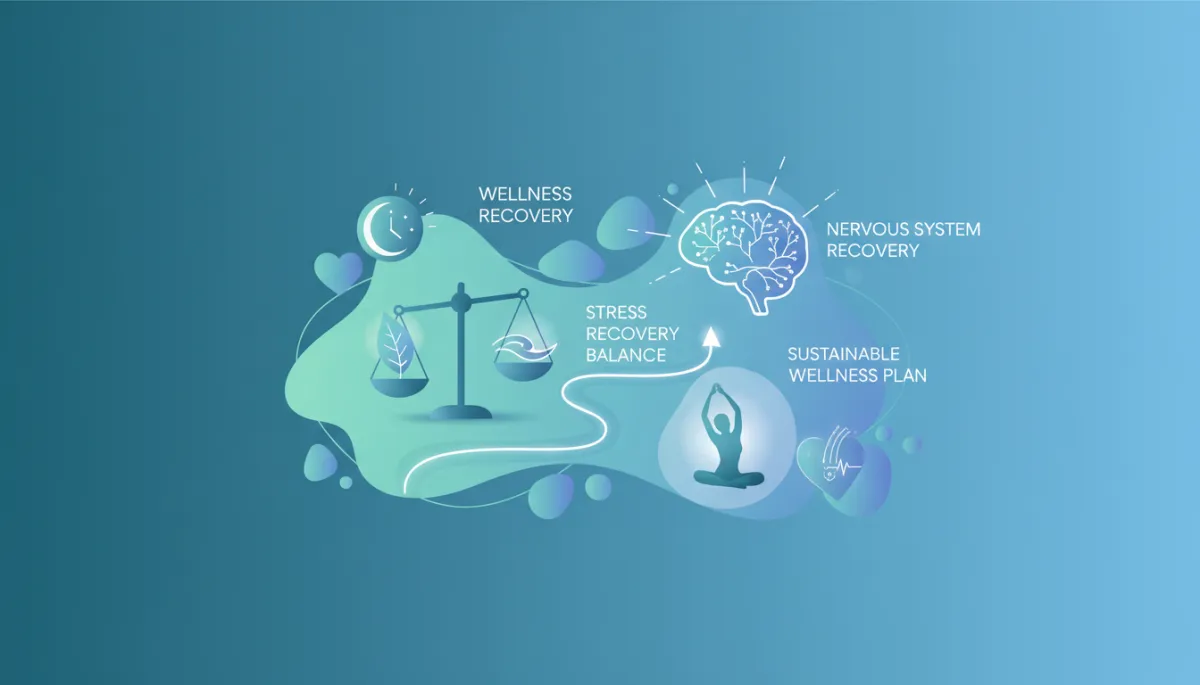
Why Recovery is Essential for Modern Wellness
Wellness, Recovery, Stress Recovery Balance, Nervous System Recovery
Why Recovery Is the Missing Piece in Modern Wellness
If you’ve ever told yourself, “I’ll rest when things calm down,” you’re not alone. Modern wellness often celebrates doing more—more workouts, more productivity, more biohacks—while quietly sidelining the one thing that makes all of that effort actually work: recovery. In this friendly guide, we’ll explore why Wellness Recovery is not a luxury or a reward, but a non‑negotiable part of any truly sustainable wellness plan.
The Big Wellness Myth: Progress Comes Only From Pushing Harder
Many of us grow up absorbing the message that if we just grind harder—train more, sleep less, hustle constantly—we’ll finally feel healthy, successful, and satisfied. But your body and mind don’t work that way. Every time you challenge yourself, whether through a workout, a long workday, or emotional stress, you create a stress load that your body must repair and adapt to afterward. That second part—the repair and adaptation—is recovery, and it’s where the real magic happens.
Without enough recovery, your wellness routine can actually backfire. Instead of feeling energized and strong, you might notice lingering fatigue, irritability, brain fog, or nagging aches. That’s your body quietly saying, “I need time to catch up.” Building a thoughtful Sustainable Wellness Plan means honoring this message and making recovery a deliberate, scheduled part of your life—not something you squeeze in only when you’re already exhausted.
💡 Friendly Reminder: Training, working, and striving are the stimulus. Recovery is the upgrade. You need both.
What Is Wellness Recovery, Really?
Wellness Recovery is the intentional process of giving your body and mind what they need to repair, rebalance, and grow stronger after stress. It’s not just about “taking a day off” or zoning out on the couch (though that can help sometimes). True recovery is active and planned. It includes physical rest, mental downtime, emotional processing, and supportive habits like nutrition and sleep that help your system reset.
When you think of wellness, it can help to imagine a simple equation: Stress + Recovery = Growth. Exercise, work deadlines, parenting, and even exciting life changes all add stress to the system. Recovery is the counterweight that keeps the equation balanced so you don’t tip into burnout or Overtraining Syndrome. When recovery is missing, even the healthiest habits can start to feel draining instead of nourishing.
How Recovery Supports Muscle Repair and Physical Resilience
Let’s start with something tangible: your muscles. When you exercise—whether you’re lifting weights, running, cycling, or doing yoga—you create tiny amounts of controlled damage in your muscle fibers. This is normal and necessary. Your body responds to that stress by repairing those fibers and making them stronger, denser, and more capable. But that repair process doesn’t happen during your workout. It happens after, when you rest, refuel, and sleep.
If you keep stacking intense workouts without enough recovery time, your muscles never fully repair. You might notice:
Persistent soreness that lasts several days instead of a day or two
Decreasing strength or performance despite working hard
A sense of heaviness or stiffness in your body during everyday tasks
Recovery supports muscle repair by providing:
Time for your body to rebuild damaged fibers stronger than before
Nutrients (especially protein and carbohydrates) to fuel repair processes
Reduced load so joints, tendons, and ligaments can recover and stay healthy

Simple recovery rituals like foam rolling support muscle repair between workouts.
When you pair smart training with equally smart recovery, you actually see better results: stronger muscles, fewer injuries, more consistent progress, and a body that feels capable instead of constantly worn out.
Nervous System Recovery: Calming the Constant “On” Switch
Recovery isn’t just about muscles—it’s also deeply about your nervous system. Your body has two main modes: the “go” mode (sympathetic nervous system, often called fight-or-flight) and the “rest and digest” mode (parasympathetic nervous system). Healthy wellness routines move you between these states in a smooth rhythm. Intense workouts, busy days, and emotional stress all activate the “go” mode. Recovery helps you switch back into “rest and digest” so your body can repair and reset.
Nervous System Recovery is the process of helping your body downshift out of constant alertness. When that doesn’t happen, stress hormones like cortisol can stay elevated, sleep can become shallow, and your mood and focus can suffer. Over time, this can contribute to anxiety, low motivation, and feeling “tired but wired” at night.
💡 Gentle Tip: You don’t have to wait until vacation to relax your nervous system. A few minutes of intentional downshifting each day can make a real difference.
Inflammation Resolution: Letting Your Body Finish the Job
Inflammation often gets a bad reputation, but in the short term, it’s actually a helpful part of your body’s repair system. After a hard workout or a stressful event, your body uses inflammation to clean up damaged cells and start the healing process. The key is that this response needs to resolve. Recovery gives your body time and space to complete that cycle so you return to balance rather than staying stuck in a low-grade inflammatory state.
When recovery is neglected, your immune system can remain slightly activated all the time. You might notice:
Frequent colds or slower healing from minor injuries
Ongoing joint aches or muscle stiffness without a clear cause
Feeling puffy, swollen, or “inflamed” in a general sense
Recovery practices such as gentle movement, adequate sleep, stress management, and nourishing food help your body complete the inflammation resolution process. This supports long-term health, joint comfort, and a sense of overall ease in your body.
Energy Restoration: Why You’re Not Supposed to Run on Empty
Energy isn’t just a feeling—it’s a real resource your body manages carefully. Your cells use molecules like ATP as fuel, and your brain uses a surprising amount of energy just to keep you thinking clearly. Intense exercise, long workdays, emotional strain, and even constant multitasking all drain your energy reserves. Energy restoration is what happens when you slow down enough for your body to refill the tank.
Without regular restoration, you might notice:
That “afternoon crash” becoming an everyday event
Coffee helping less and less with your fatigue
Needing more time to bounce back from workouts or busy weeks

Short, intentional pauses during the day help restore mental and physical energy.
Recovery activities like quality sleep, nourishing meals, gentle movement, and unstructured downtime all help refill your energy reserves. Think of them as regular deposits into your energy bank account, so you’re not constantly overdrawing and paying the price in exhaustion and irritability.
Understanding Stress-Recovery Balance: Your Wellness Seesaw
Imagine your wellness like a seesaw: stress on one side, recovery on the other. Some stress is not only okay—it’s beneficial. Challenging workouts, new projects, and meaningful responsibilities can all stimulate growth. But for the seesaw to stay balanced, you need enough Stress Recovery Balance in your daily and weekly routine. When stress piles up and recovery doesn’t keep pace, that’s when problems start to show up in your body, mood, and performance.
A balanced week might include a mix of:
A few challenging workouts and a few lighter movement days
Periods of focused work and true breaks where you step away from screens
Social time and quiet time alone to recharge
📌 Key Takeaway: You don’t need a perfect balance every single day. Aim for balance across the week, and keep adjusting as your life changes.
Signs You May Be Sliding Into Overtraining Syndrome or Burnout
When stress keeps outweighing recovery for weeks or months, you may start to experience symptoms of Overtraining Syndrome in your workouts and a similar burnout pattern in everyday life. This doesn’t just affect elite athletes—anyone who consistently pushes without adequate rest can end up here. Common signs include:
Persistent fatigue that doesn’t improve with a few nights of good sleep
Declining performance in workouts despite consistent training effort
Frequent illnesses or taking longer to recover from minor colds or injuries
Sleep changes, such as trouble falling asleep, waking often, or feeling unrefreshed in the morning
Mood shifts like irritability, anxiety, low motivation, or feeling “flat”
Increased soreness or pain that lingers longer than usual after workouts
If several of these sound familiar, your body may be asking for more recovery, not more effort. It can feel counterintuitive, especially if you’re used to pushing through, but easing up and prioritizing rest is often the fastest path back to feeling strong and capable again.
Practical Relaxation Techniques You Can Start Today
You don’t need fancy equipment or hours of free time to support your recovery. Simple, consistent relaxation techniques can help your muscles, nervous system, and energy levels reset. Here are some friendly, realistic options to weave into your day.
1. Breathing: A Portable Reset Button
Your breath is one of the fastest ways to influence your nervous system. Slow, intentional breathing activates your “rest and digest” mode and can help quiet racing thoughts. Try this simple pattern:
Inhale gently through your nose for a count of 4.
Pause for a count of 2.
Exhale slowly through your mouth for a count of 6.
Repeat for 2–5 minutes. You can do this at your desk, in your car (parked), or before bed. Over time, this kind of breathing supports both Nervous System Recovery and overall stress tolerance.
2. Walking: Gentle Movement That Restores Instead of Depletes
Not every movement session needs to be intense. In fact, easy walking is one of the best tools for recovery. It increases blood flow to your muscles, helps clear metabolic byproducts from tough workouts, and gives your mind a chance to wander and reset. Aim for a 10–20 minute relaxed walk on days between harder workouts or after long periods of sitting.

Easy walks help your body recover while giving your mind a gentle reset.
3. Stretching: Creating Space in Tight, Tired Muscles
Gentle stretching can be a soothing way to wind down at the end of the day or after a workout. Focus on slow, comfortable stretches rather than forcing your body into extreme positions. Hold each stretch for 20–30 seconds, breathe steadily, and pay attention to areas that feel especially tight, like hips, hamstrings, chest, and shoulders. This supports muscle repair, joint mobility, and a sense of physical ease.
4. Sleep Routines: Your Most Powerful Recovery Tool
Sleep is where so much of your recovery happens: muscle repair, hormone regulation, memory consolidation, and inflammation resolution. Building a simple, consistent sleep routine can dramatically improve how recovered you feel. A few friendly guidelines:
Aim for roughly the same bedtime and wake-up time most days, even on weekends.
Dim lights and reduce screen time 30–60 minutes before bed to help your brain wind down.
Create a short wind-down ritual—stretching, reading, or light journaling—to signal to your body that it’s time to rest.

A simple, consistent bedtime routine turns sleep into your most reliable recovery ally.
Scheduling Recovery Alongside Workouts and Meals
One of the biggest shifts you can make is to treat recovery like any other important appointment. Instead of hoping you’ll “find time” to rest, actually schedule recovery activities alongside your workouts, work blocks, and meals. This is a practical way to build a truly Sustainable Wellness Plan that supports you long term, not just for a few intense weeks.
Here are a few ideas for weaving recovery into your weekly calendar:
Pair each workout on your calendar with a short recovery block, such as 10 minutes of stretching or breathing afterward.
Add 1–2 “lighter” movement days to your week, like easy walks or gentle yoga, especially after more intense training sessions.
Schedule brief, screen-free breaks between long work blocks—5–10 minutes to walk, stretch, or simply look out a window and breathe.
Protect your wind-down time before bed like you would any other important meeting.
💡 Pro Tip: If it’s not on the calendar, it’s easy to skip. Try adding “recovery sessions” to your planner or phone just like you would workouts and meals.
Building Your Own Sustainable Wellness Plan With Recovery at the Center
A truly sustainable approach to wellness is one you can maintain through busy seasons, life changes, and aging. That means your plan needs flexibility and built-in recovery, not just rigid rules and high expectations. Here’s a simple framework you can adapt:
Clarify your current season. Are you in a high-stress period at work? Caring for family? Training for an event? Your recovery needs will change with your life context.
Choose 2–3 non-negotiable recovery habits. For example: 7 hours of sleep, a 10-minute daily walk, and 5 minutes of breathing before bed.
Match your training to your recovery. If your life stress is high, scale back workout intensity slightly and focus on maintaining consistency rather than pushing for big gains.
Check in weekly. Ask yourself: Do I feel more energized or more drained? Adjust your stress-recovery balance based on the honest answer.
Over time, this approach helps you build a lifestyle that supports muscle repair, nervous system recalibration, inflammation resolution, and energy restoration—without requiring perfection. It’s about being in conversation with your body, not at war with it.
When to Seek Personalized Guidance From a Qualified Clinician
While many recovery strategies can be started on your own, there are times when it’s wise—and kind—to bring in professional support. Consider reaching out to a qualified clinician, such as a primary care provider, physical therapist, sports medicine specialist, psychologist, or licensed counselor, if you notice any of the following:
Ongoing fatigue, pain, or sleep problems that don’t improve after several weeks of adjusting your routine and prioritizing recovery
Symptoms of possible Overtraining Syndrome or burnout, such as significant performance drops, chronic soreness, or frequent illnesses
Strong mood changes, such as persistent sadness, anxiety, or a loss of interest in activities you used to enjoy
Concerns about underlying medical conditions, such as heart issues, autoimmune conditions, or hormonal imbalances
A clinician can help you rule out medical issues, create a personalized recovery plan, and connect you with other professionals if needed. Asking for help is not a sign that you’ve failed at self-care; it’s a smart step toward understanding your body better and protecting your long-term health.
⚠️ Important: If you experience chest pain, severe shortness of breath, sudden dizziness, or other alarming symptoms, seek immediate medical attention rather than waiting to see if rest helps.
Bringing It All Together: Making Recovery a Friendly Daily Habit
Recovery doesn’t have to be dramatic or time-consuming to be effective. In fact, small, consistent choices often make the biggest difference. You might start by adding a 10-minute walk after lunch, a few minutes of breathing before bed, or a weekly “lighter day” in your workout routine. Over time, these practices support your Stress Recovery Balance and help your body feel safe enough to repair, adapt, and thrive.
The next time you’re tempted to skip rest in the name of progress, remember: recovery isn’t what slows you down—it’s what allows you to keep going. By honoring muscle repair, nervous system recalibration, inflammation resolution, and energy restoration, you’re not being “lazy.” You’re training smarter, living more sustainably, and giving yourself the chance to feel genuinely well, not just busy.
Your wellness journey is a long game. When you treat recovery as an essential, scheduled part of your routine—right alongside workouts, meals, and work—you’re building a life that supports you today and for years to come. And you absolutely deserve that.
References and Further Reading
American College of Sports Medicine. (2021). ACSM’s Guidelines for Exercise Testing and Prescription. Wolters Kluwer.
Meeusen, R., et al. (2013). Prevention, diagnosis and treatment of the Overtraining Syndrome. European Journal of Sport Science, 13(1), 1–24.
McEwen, B. S. (2007). Physiology and neurobiology of stress and adaptation: Central role of the brain. Physiological Reviews, 87(3), 873–904.
Irwin, M. R. (2019). Sleep and inflammation: partners in sickness and in health. Nature Reviews Immunology, 19(11), 702–715.
